Discovering the Beauty and Functionality of Rattan Shelves
Intro
In recent years, the humble rattan plant shelf has found itself thrust into the limelight of interior design conversations. What was once merely a practical piece of furniture is now celebrated for its versatility and ability to breathe life into spaces. The aesthetic appeal of rattan, with its natural, textured finish, draws attention not just from homeowners but also from professional designers across the spectrum. As sustainability becomes a crucial consideration for decorating choices, the ecological impact of using materials like rattan cannot be overstated.
This article seeks to peel back the layers of rattan plant shelves, exploring their various designs, practical uses, and significance in sustainable decor. With rattan's inherent charm and functionality, you'll discover how these plant shelves can elevate your indoor gardening game while enhancing your home's overall design motif.
Understanding the integration of rattan into modern design trends will offer insight into its timelessness and relevance. Moreover, this exploration will arm you with practical tips to make the most of your rattan shelves, allowing each piece to serve as both a functional and artistic addition to your living space.
So, whether you're a DIY enthusiast looking to get creative, a homeowner seeking to refresh your space, or a designer searching for that perfect touch of style, this guide will illuminate the path forward with rattan plant shelves.
Foreword to Rattan Plant Shelves
Rattan plant shelves are not just a new trend in home decor; they represent a blend of style, function, and environmental consciousness. These shelves serve as functional art pieces that highlight the beauty of nature through plant displays, while also making a significant statement in any living space. As homeowners and designers alike seek sustainable solutions, rattan stands out for its unique properties. This article delves into the versatility of rattan, focusing on its applications and benefits in design, ensuring that readers are well-equipped with knowledge to make informed choices.
Defining Rattan and Its Characteristics
Rattan is a climbing palm that primarily thrives in tropical regions. Often mistaken for bamboo, rattan has distinct features that set it apart: it’s flexible, tough, and comes in various types. The outer skin is smooth and shiny, while the inner core can be hollow. The unique flexibility allows for intricate weaving, making rattan perfect for crafting shelves that marry aesthetics with utility.
Its light weight is another characteristic that appeals to many. This quality ensures easy transportation and installation, accommodating whatever mood a designer wants to create in a room. Additionally, the porous nature of rattan allows it to breathe, preventing moisture build-up, which is vital when housing living plants.
This natural material also brings warmth, color, and texture into a space, creating an ambiance that is inviting and lively. Through different finishes, from natural to painted, rattan can fit into various design palettes, making it a versatile choice in modern decor.
The Evolution of Rattan Furniture
The journey of rattan furniture started centuries ago. Originally, it was crafted by skilled artisans who understood the importance of sustainability and craft in design. In the early 20th century, rattan’s popularity surged as furniture makers in Europe and America began to recognize its potential. The adaptability of rattan allowed designers to create lightweight, yet durable chairs and tables that easily could be moved and rearranged.
Fast forward to today, and rattan continues to evolve with contemporary styles. Designers are now blending traditional techniques with modern sensibilities. For instance, the current trend often sees rattan paired with metal or glass elements, creating an eclectic style that resonates with both minimalists and maximalists. “Rattan reflects the dynamic nature of interior design; it’s not just furniture, it’s a lifestyle choice.”
Due to its historical significance and modern adaptability, rattan furniture, particularly shelves, holds a prominent position in the design world, marrying the old with the new seamlessly. The appeal continues to grow not just for aesthetics but for its environmental benefits, as utilizing natural materials becomes imperative in sustainable design practices.
Aesthetic and Design Elements of Rattan Plant Shelves
Rattan plant shelves have become increasingly popular among homeowners and designers alike, thanks to their unique visual appeal and flexible style adaptability. The aesthetic elements of these shelves not only enhance the look of interior spaces but also create a warm, inviting atmosphere. From the woven texture to the earthy tones, rattan brings a touch of nature indoors, strengthening the connection between our living spaces and the natural world. This discussion focuses on the various elements that contribute to the design and overall function of rattan plant shelves.
Popular Design Styles Featuring Rattan
Bohemian
The Bohemian style celebrates eclectic charm, encouraging a free-spirited approach to decor. Rattan's lightweight nature complements the relaxed aesthetic often found in Bohemian spaces. Its key characteristic is its versatility, allowing unique displays of plants and decorative items. A rattan plant shelf fits perfectly into a Bohemian setup, enabling homeowners to showcase a mix of colorful pottery and lush greenery that reflects personal tastes. However, achieving the right balance can be tricky; too much clutter might detract from the intended carefree feel.
Scandinavian
Scandinavian design emphasizes minimalism, functionality, and a connection to nature. Rattan fits right into this category due to its simplicity and earthy vibe. The shelves can serve both aesthetic and practical purposes, providing balance in a clean, organized space. One distinct feature of Scandinavian style is its focus on neutral color palettes which makes rattan shelves an excellent choice, blending seamlessly without overpowering the arrangement. Keep in mind, though, that too many patterns or contrasting colors might disrupt the serene ambience that characterizes this style.
Tropical
The Tropical style instantly transports you to sun-kissed paradises, bursting with vibrant colors and lush green foliage. Rattan plant shelves naturally align with this aesthetic due to their organic lines and warmth. A hallmark of Tropical design is its embrace of bold colors; therefore, using rattan in such an environment offers an interesting blend of natural elements and striking visuals. A key advantage is that these shelves allow for creative displays of exotic plants, but it's worth noting that striking a balance between minimalism and vividness is essential to keep the design from appearing overwhelming.
Color and Texture Variations
Natural Rattan Finishes
Natural rattan finishes maintain the original hue of the material, presenting a warmth that resonates well with various design schemes. The understated finish enhances the wood-like appearance and lets the texture shine through, making it a popular choice among decorators who prefer a more organic vibe. Its advantage lies in its ability to harmonize with both vibrant and neutral palettes. However, it may require careful pairing with other materials to prevent an overly rustic look that might not suit all spaces.
Painted Options
Painted rattan shelves allow for a splash of color, providing decorators a way to express creativity. This option caters to those who wish to match specific themes or color schemes in their spaces. The key characteristic of painted rattan is its potential for personalization. Bright hues can bolster visual interest and create focal points. However, care should be taken as paint can chip or fade over time, necessitating regular maintenance to keep the shelves looking fresh.
Textured Weaves
Textured weaves add dimension and depth to rattan plant shelves. The unique patterns created by interlacing the material bring visual intrigue and facilitate the shelf’s ability to stand out. This feature makes it beneficial for spaces that require an eye-catching centerpiece. On the downside, if not matched correctly with the overall decor, it may clash, leading to a disjointed appearance.
Integrating Rattan Shelves into Interior Spaces

Living Room
Integrating rattan plant shelves in the living room can create a focal point for greenery without taking up too much space. Their lightweight nature allows flexibility in arrangement. A key characteristic here is the ability to display both plants and personal collections, striking a perfect balance between form and function. However, too much plant variety on one shelf might make it look crowded, which can detract from the overall elegance of the room.
Bedroom
In the bedroom, rattan plant shelves can contribute to a calming, serene environment. Soft hues and gentle textures enhance a clutter-free atmosphere conducive to relaxation. This style choice is advantageous for those who prefer a soft look, allowing for plant displays that purposely invite tranquility. Nevertheless, one must consider the practicality of upkeep; plants that require more light could complicate arrangements against taller furniture.
Home Office
Rattan shelves in a home office can foster a productive, inspiring workspace. They can serve both practical storage and aesthetic enhancement, creating a space where creativity can thrive. Their rustic charm contrasts with modern office essentials, giving the room a cozy ambience. However, it is vital to avoid overwhelming the space; too many items or plants might turn the shelf into a distraction rather than a source of inspiration.
Functional Aspects of Rattan Plant Shelves
Rattan plant shelves are not just aesthetically pleasing; they're highly functional as well. Their design and the nature of the rattan material contribute to a variety of beneficial features that can enhance any living space. Engaging with these functional aspects is crucial for homeowners, designers, and enthusiasts who wish to maximize the utility of their indoor or outdoor plants while keeping smart design principles in mind.
Benefits of Using Rattan for Shelving
Lightweight Nature
One of the standout advantages of rattan plant shelves is their lightweight nature. This quality makes them significantly easier to move around compared to other shelving materials like wood or metal. Homeowners can rearrange their spaces with minimal effort, adapting their decor to seasonality or personal preference. Moreover, being lightweight allows these shelves to be securely placed in various settings without the fear of strain on walls or the furniture underneath.
This unique feature doesn’t merely ease movement; it also contributes to overall flexibility when designing a space. If you're looking to create a cozy nook or an adaptable greenery display, rattan shelves cater to that need wonderfully. However, this lightness can sometimes be a double-edged sword—if heavily loaded, they might buckle or sway, which is a factor to take into consideration for shelf placement.
Environmental Sustainability
Rattan is known for being eco-friendly. As a rapidly renewable resource, it grows much faster than traditional hardwoods. Utilizing rattan for plant shelves resonates with environmental sustainability—a trend that resonates with a considerable segment of today’s conscientious consumers. It offers a guilt-free option for those aiming to declutter their home in an environmentally responsible way.
This characteristic positions rattan as a popular choice in the growing market for sustainable design. However, it’s important to consider the sourcing; not all rattan is harvested ethically. Therefore, it's advisable to research suppliers to ensure that the rattan you choose adheres to ethical practices.
Durability
In terms of longevity, rattan boasts impressive durability. Properly treated rattan can last years, making it a wise investment. While it may not be as resilient as some hardwoods, its natural flexibility allows it to withstand various pressures without breaking. Rattan shelves can endure the weight of plants, books, or decorative items with ease, provided the load is distributed evenly.
This durability, however, hinges on proper care and maintenance. If subjected to harsh weather conditions or constant exposure to moisture, rattan can deteriorate faster than anticipated. Therefore, understanding how to maintain these shelves properly is crucial for ensuring their lifespan.
Optimal Placement for Plants
Sunlight Considerations
When selecting where to place your rattan plant shelves, sunlight levels should be a primary consideration. Plants vary in their light requirements—some thrive under direct sunlight, while others prefer shaded areas. Rattan shelves can be positioned near windows or in sunlit corners, enabling you to showcase sunlight-hungry plants effectively.
Additionally, placing shelves strategically can also allow for a beautiful cascade of greenery that enhances your decor. However, too much direct sunlight can sometimes cause the rattan to fade over time, which leads to another layer of consideration in balancing aesthetics and plant health.
Space Utilization
Rattan shelves offer a unique advantage in space utilization, especially in smaller rooms. Their design often allows for vertical stacking, giving you more room to play with. This is especially beneficial in urban settings where every square foot counts. By cleverly utilizing wall spaces or corners with rattan shelving, you can transform underused areas into stylish plant displays.
However, size and scale must be considered, as oversized shelves can overwhelm smaller spaces. It’s about striking the perfect balance.
Visual Impact
Visual impact is a crucial element of interior design, and rattan plant shelves make compelling statements in any room. The natural texture of rattan pairs well with various design styles, from minimalist to bohemian. By integrating rattan shelving into your decor, you can add layers and visual interest without cluttering the space.
However, the way you arrange items on these shelves also contributes to the overall visual impact. Careful selection and placement of plants, books, or decorative objects can lead to stunning displays that cater to both beauty and harmony in your home. Similarly, understanding how the shelves interact with other design elements, such as lighting and color schemes, can elevate your decor to new heights.
"The charm of rattan shelves lies not just in their looks, but in their ability to harmonize with your plants, your space, and your style."
In summary, the functional aspects of rattan plant shelves make them a worthy consideration for anyone looking to enhance their living space. From their lightweight nature to environmental sustainability and versatility in placement, these features contribute substantially to their growing popularity amongst discerning homeowners and designers.
Maintenance and Care of Rattan Plant Shelves
Maintaining rattan plant shelves is an integral part of preserving their charm and functionality. Proper care allows these items to last long, preserving their natural beauty while providing a perfect backdrop for plants. It can be a bit like nurturing a garden – you have to put in the effort to ensure everything flourishes. Knowing how to care for your rattan shelves not only enhances their durability but also keeps your decor cohesive and appealing.
Cleaning Techniques
When it comes to cleanliness, rattan shelves need a bit of tender loving care to keep them looking fresh. Regular dusting with a soft cloth can make a world of difference. If they start to look a bit worse for wear, a slightly damp cloth can be used, but avoid soaking them. Speaking of liquids, never use harsh chemicals or cleaners, as these can deteriorate the natural fibers
For a more thorough clean, a vacuum cleaner with a brush attachment can help remove debris from the weave and crevices. Remember, keeping these shelves clean is just like washing a car – a little effort can go a long way!
Preventing Damage and Wear
Moisture Control
Moisture is a main villain for rattan. If your shelves are in humid environments, they can start to warp or grow mold, which is something no one wants in their home. Controlling moisture is crucial in preventing damage and extending the life of your shelves. One trick is to place the shelves in well-ventilated areas, as this helps keep the humidity levels down.
Additionally, using a dehumidifier can be a game changer if you live in a particularly damp region. This method is popular because it actively combats excess moisture, preventing potential issues before they arise.
Advantages of moisture control include:
- Extended lifespan for your rattan furniture
- Prevention of mold growth
- Maintenance of natural aesthetics
However, it’s key to find a balance; too dry an environment can cause rattan to crack.
Avoiding Direct Sunlight
Direct sunlight is another concern for rattan, as prolonged exposure can lead to fading and damage over time. While showcasing your plants in natural light enhances their beauty, protecting the rattan from excessive sun is equally crucial. These shelves are best placed in areas that receive indirect light – this nurtures the plants without compromising the shelf itself.
Utilizing sheer curtains or strategically positioning them can ensure that they don’t get scorched. The main advantage here is preserving the vibrant tone of the rattan while still enjoying the greenery on display.
Regular Inspections
Keeping an eye out for signs of wear is smart. Regular inspections may sound tedious, but it’s about being proactive. Check your shelves for any weak spots or signs of damage. By doing this every month or so, you can catch small problems before they turn into big ones. It’s much like going for regular health check-ups – helps maintain your well-being!
Looking for signs such as loose joints or fraying fibers can be particularly revealing. Making these inspections a habit not only supports the integrity of the shelves but also reassures you that your beautiful decor is safe and sound.
Cultural and Historical Significance of Rattan
Rattan, often overshadowed by materials like wood and metal in modern design, possesses a rich narrative interwoven with cultural and historical threads. Understanding this significance provides a deeper appreciation for rattan plant shelves. They go beyond mere aesthetic choice; they embody a convergence of tradition and innovation in various cultures around the globe.
Rattan's Role in Traditional Crafts
For centuries, rattan has been an integral part of traditional crafts in regions like Southeast Asia, South America, and Africa. Local artisans have historically fashioned functional and artistic items, including baskets, furniture, and intricate decorative pieces using rattan. In places like Indonesia and the Philippines, the skill of weaving rattan has been passed down through generations.
- Craftsmanship: The dexterity required to manipulate rattan speaks volumes about cultural heritage. It’s not just about creating a shelf; it’s about preserving techniques that reflect the identity of communities.
- Utility and Sustainability: Using rattan for product making aligns with sustainable practices. As a fast-growing vine, rattan can be harvested sustainably, thus contributing to eco-conscious business models while respecting cultural traditions.
- Symbolism and Identity: Rattan baskets or furniture often symbolize community and craftsmanship. They narrate stories of local traditions and are frequently used in communal spaces, strengthening social fabrics.
The crafts made from rattan encapsulate the beauty of utility and tradition. They resonate with timelessness, and every piece tells a story of where it came from.
“Rattan creations are not just items, they are extensions of culture and story.”
Modern Adaptations and Global Influence
As we move into an era marked by globalization, rattan has found new life in contemporary design, merging age-old craftsmanship with modern aesthetics. Designers around the world are taking cues from traditional methods, but they are not just reproducing old styles. Instead, they infuse the essence of rattan into current trends, influencing global furniture markets.
- Eclectic Fusion: Rattan shelves are no longer confined to rustic, traditional homes. They now feature prominently in minimalist, industrial, and even modernist styles. This blending speaks to a universal appeal while respecting the past.
- Crossover Trends: The rise in biophilic design—integrating natural elements in interior spaces—has positioned rattan as a go-to material for homeowners and designers, thus creating a fresh narrative around its use.
- Cultural Exchange: The interest in rattan furniture has led to a cross-cultural engagement, where ideas and methods are shared globally. A rattan piece from a small village can find its way into chic urban settings, creating a bridge between cultures.
Modern adaptations of rattan capture the spirit of innovation while holding onto its historical roots. In doing so, they not only enhance the aesthetic qualities of spaces but they also pay homage to the artisans and cultures that have championed this material for centuries, creating a beautiful blend of past, present, and the future.
In essence, the engagement with rattan goes beyond simple decor; it opens a window to understanding cultural legacies and pushing the boundaries of design. As we embrace these influences, we also support sustainable practices and aesthetic diversity in the global marketplace.
Current Trends in Rattan Furniture
Rattan furniture has recently experienced a renaissance in interior design and decor. The shift towards more eco-friendly and sustainable elements in our homes has made rattan a key player in current trends. Not just a nostalgic nod to past eras, rattan's appeal now lies in its adaptability to various style movements, its functional benefits, and the conscious choices of materials used in modern craftsmanship. This section sheds light on the evolving trends surrounding rattan, particularly in the context of plant shelves, which are garnering significant attention among homeowners and decorators alike.
Emerging Patterns in Home Decor
As design sensibilities shift, the role of rattan in contemporary interiors has morphed remarkably. One emerging pattern is the fusion of rattan with more industrial materials like metal and glass. This combination creates a striking contrast that appeals to a wide audience. For instance, a rattan plant shelf paired with metal brackets can introduce a warm touch to an otherwise stark environment. This trend is increasingly being seen in urban apartments where space is at a premium—hence, the emphasis on multi-functional furniture.
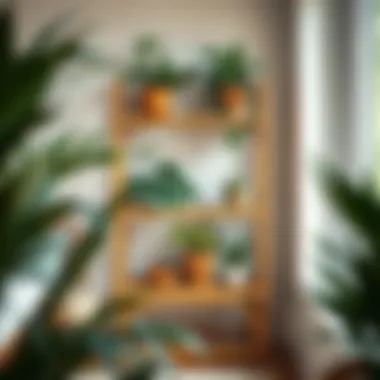
Tall, narrow rattan shelves are not just stylish; they also maximize vertical space, making them perfect for smaller rooms. Utilizing rattan enhances the organic tones within a home, promoting a calming atmosphere that many are gravitating towards, especially as we seek to balance our fast-paced lifestyles with moments of serenity.
Additionally, the Bohemian style continues to be a popular choice, where rattan shelves become a central piece to display plants, books, or curated decor. The open, airy feel of rattan complements an eclectic look, further elevating the visual aspects of interior spaces.
Rattan in Outdoor Spaces
Rattan’s natural resilience makes it an excellent choice for outdoor furniture, particularly in regions with moderate climates. This trend towards outdoor rattan decor highlights a growing inclination to extend living spaces beyond four walls. Whether it's a cozy patio or an expansive garden, rattan plant shelves play a pivotal role in creating a harmonious outdoor environment.
Imagine a setting where rattan shelves display vibrant potted plants, acting not only as a functional element but also as a focal point that draws the eye. This is especially effective in gardens or balcony setups, where greenery is central. The light and airy nature of rattan creates visual balance and a seamless connection to nature.
Moreover, the integration of rattan into outdoor designs embraces a more sustainable approach to home aesthetics. Many consumers are keen on sourcing materials that are both stylish and kind to the environment. Rattan’s rapid growth and renewability make it a favored choice in this regard.
DIY Projects with Rattan Plant Shelves
Rattan plant shelves offer an excellent avenue for creativity and self-expression. In today's world, where mass production is rampant, DIY projects allow individuals to add unique flair to their interiors. Embracing DIY not only enables customization but also fosters a connection with the materials and techniques used in crafting furniture. When it comes to rattan, its lightweight nature and flexibility provide a particularly good canvas for creativity, making it a popular choice for homeowners looking to put their personal touch on their living spaces.
Creating Custom Rattan Shelves
Materials Needed
To embark on a project of creating your own rattan shelves, having the right materials at hand is essential. Here are a few staples:
- Rattan Cane: Sourced from natural rattan, this variation is both sturdy and ornamental.
- Wooden Boards: These serve as the base for the shelves, available in different finishes to suit your style.
- Glue or Twine: Essential for binding the rattan together or securing it to the wooden boards, ensuring stability.
- Finishing Products: Paint or varnish can be applied to achieve the desired aesthetic.
Using rattan cane is often beneficial due to its lightness, which allows for easy manipulation without compromising the overall strength of the structure. However, be cautious of overly thin rattan, as it might not bear much weight. The beauty of these materials lies in their natural textures, lending an air of sophistication to any interior.
Step-by-Step Guide
Here’s a simple guide to help you along the way:
- Design Your Shelf: Sketch out what your shelf will look like, considering dimensions and style.
- Cut the Materials: Measure and cut the rattan cane and wooden boards as per your design.
- Assemble the Structure: Begin with the frame, using glue to secure the rattan pieces in place on the wooden boards. Twisting and interweaving the rattan can enhance visual interest.
- Attach Supports: Ensure the shelf is strong enough by adding wooden support beams if necessary.
- Finishing Touches: Finally, paint or varnish the finished product to protect the wood and enhance aesthetics.
This guide showcases a feasible approach to making your own rattan shelf. The benefit of following a structured step-by-step process lies in its accessibility; even beginners can achieve satisfactory results with careful planning.
Safety Precautions
While crafting your rattan shelves, it’s crucial to consider safety:
- Use Protective Gear: Safety glasses and gloves protect against potential injuries while cutting.
- Maintain a Clean Workspace: This prevents trips or falls over scattered materials.
- Follow Instructions Closely: Whether it's using tools or applying adhesive, adhering to guidelines keeps the process safe.
Taking these precautions ensures that your creative work remains enjoyable and productive. Crafting, after all, should not come with a side of injury or mishaps either!
Repurposing and Upcycling Rattan Pieces
Beyond making new shelves, repurposing older rattan pieces is a fantastic way to breathe new life into your space. Many homeowners may have rattan items gathering dust, which can be transformed into something fresh and functional. Think about turning an old rattan chair into a unique plant stand or using bits of leftover rattan to craft decorative wall installations.
The beauty of upcycling is it promotes sustainability, helping reduce waste while enhancing your home’s decor style. This creative approach not only benefits your space but also contributes to broader environmental goals, embracing the principles of reduce, reuse, and recycle.
Whether creating or repurposing, these DIY projects featuring rattan enable homeowners to cultivate personalized spaces filled with warmth and aesthetics, making them more than just utilitarian objects.
The End and Future Prospects
The exploration of rattan plant shelves highlights their role not just as decorative items in a home, but as a part of sustainable design. In the face of fast-changing decor trends and environmental challenges, understanding the potential of rattan can be a boon for homeowners, designers, and anyone interested in eco-friendly living. Rattan’s natural beauty and ability to blend with various styles and themes make it a timeless addition to home settings.
The Enduring Appeal of Rattan
Rattan's continued allure lies in its unique combination of sturdiness and lightness. Many homeowners appreciate its organic aesthetic, which offers a refreshing contrast to the often sterile look of metal and plastic furnishings.
- Versatile Designs: Whether it's a minimalist Scandinavian shelf or a bohemian-style vertical garden, rattan fits in naturally. Its flexibility in design means it can adapt to changing trends without losing its character.
- Natural Elements: In a world increasingly filled with manufactured goods, rattan brings a touch of nature indoors. Many people find that having natural materials in their home creates a calming atmosphere.
- Space Efficiency: Rattan shelves can be designed in various heights and widths, catering to both small apartments and larger homes. This adaptability enables homeowners to utilize every nook and cranny effectively.
The enduring appeal of rattan is not to be understated; it marries function with artistry while maintaining a commitment to eco-friendliness.
Sustainable Design Trends
As environmental consciousness continues to rise among consumers, the trend toward sustainable and ethically produced home decor is becoming increasingly significant. Rattan, being a renewable resource, aligns beautifully with this movement.
- Eco-Friendly Manufacturing: Items crafted from rattan often use sustainable practices, reducing the carbon footprint associated with production.
- Longevity and Durability: Rattan is known for its resilience. Purchasing products made from rattan ensures that they stand the test of time—both in style and functionality—which is a cornerstone of sustainable design.
- Reduced Waste: By choosing rattan items, consumers engage in a cycle that promotes resilience and minimal waste. When rattan products reach the end of their lifecycle, they can often be repurposed or easily recycled.
Now more than ever, integrating rattan plant shelves into home design offers an opportunity to participate in the broader narrative of sustainable living solutions. By prioritizing rattan, homeowners not only enhance their decor but also contribute to a greener future—one shelf at a time.