Exploring Kitchen Corner Booths: Design and Benefits
Intro
Kitchen corner booths are more than mere furniture; they embody the essence of functionality and charm. With their unique designs and cozy aesthetics, they create spaces that welcome family gatherings or serve as quaint nooks for solitary coffee breaks. This article seeks to explore the multifaceted world of kitchen corner booths, unlocking their potential to transform modern living areas. Not only will we discuss various styles and designs, but we'll also outline practical considerations, maintenance tips, and the common pitfalls to avoid when integrating a corner booth into your kitchen.
Understanding these elements can help homeowners and designers alike appreciate the value of such an investment. With the increasing trend toward maximizing smaller spaces, a kitchen corner booth may not just be advantageous but essential for anyone looking to enhance their culinary environment. Let’s delve into the design inspiration that can ignite your creativity and help you envision this timeless feature in your kitchen.
Prologue to Kitchen Corner Booths
Kitchen corner booths bring a unique blend of style and functionality to modern kitchens. While some may see them as simple dining setups, their importance transcends practicality. These booths not only optimize space but also create an intimate atmosphere for family gatherings and casual meals. In homes where every square foot counts, a corner booth smartly utilizes space that might otherwise be wasted.
The concept of corner booths is rooted in a rich history of design evolution, reflecting changing tastes in home aesthetics and family dynamics. As more homeowners aim to cultivate a cozy environment, these booths present a compelling solution that merges comfort with style. They serve as a focal point in a kitchen, enhancing its functionality while providing sufficient seating.
Historical Context
To truly appreciate kitchen corner booths, one must take a step back in time. Historically, the usage of corners in spaces, particularly kitchens, leaned towards efficiency. In the mid-20th century, diners were immensely popular in America, featuring booth-style seating that offered comfort and privacy. This design approach eventually trickled into residential kitchens. Over the decades, these booths have evolved, adapting to the lifestyle changes of families and the available space in suburban homes.
By the 1980s and 1990s, more families began embracing open-concept designs. As a result, corner booths started appearing more frequently in homes as they matched the aesthetic appeal of open kitchens while offering a casual dining atmosphere. They became a favored choice for homeowners wanting to add a touch of nostalgia without sacrificing style.
Current Trends in Kitchen Design
Today, kitchen design trends continue to evolve, cued by influences such as minimalism and sustainability. The contemporary corner booth reflects these movements, often featuring clean lines and materials that are both eco-friendly and stylish. Homeowners are increasingly interested in customization, incorporating diverse styles and finishes to suit individual tastes.
Moreover, the fusion of technology into kitchen design cannot be overlooked. With smartphone accessibility, many individuals are seeking out features like built-in charging stations within booths or integrated lighting for ambiance. This trend enhances functionality, demonstrating that corner booths can be more than just a seating arrangement—they can also embrace modern conveniences.
In short, as designs continue to flourish and adapt, kitchen corner booths stand firm as an essential component for maximizing space and elevating the dining experience. They harmonize the past's nostalgic charm with today's innovative trends, making them a worthwhile consideration for any homeowner or designer.
Defining the Kitchen Corner Booth
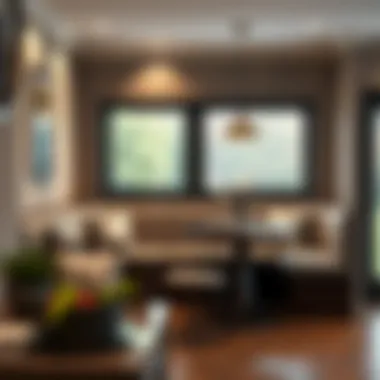
In the realm of kitchen design, the kitchen corner booth stands as a perfect blend of form and function. It serves not just as a dining area but also as a cozy nook that invites family and friends to gather. Focusing on the specific elements that define the corner booth reveals its unique contributions to contemporary interiors. When one thinks of optimizing small spaces, corner booths strike a chord of practicality and style.
Characteristic Features
The hallmark of a corner booth lies in its distinctive shape, allowing it to nestle into the often-underused corners of a kitchen. One of the most significant features is the incorporation of built-in seating. This seating can be enhanced with plush cushions, facilitating comfort over extended meals or discussions. Additionally, the booth often includes integrated storage options—a boon for smaller kitchens—making it not just a seating solution but an efficient way to maximize space.
Another characteristic is the customization potential. Homeowners can choose materials, colors, and upholstery that resonate with their personal style as well as the overall kitchen decor. This adaptability ensures that the corner booth feels like an organic extension of the home rather than a piece of furniture that was simply placed in the corner.
Types of Corner Booths
U-shaped Booths
U-shaped booths provide a thoughtful configuration that can comfortably accommodate more diners while still fitting snugly into the layout of a kitchen. The key characteristic of U-shaped booths lies in their three-sided design, which often creates a more intimate dining experience. This style is particularly popular for family kitchens as it encourages interaction among those seated, fostering connection during meals.
One striking feature of U-shaped booths is their ability to delineate a cozy dining area within a larger kitchen space. They can substantiate a sense of privacy while still being part of the bustling kitchen environment. However, it is wise to consider the space needed for walkways, as this design can become cumbersome in tighter kitchens.
L-shaped Booths
L-shaped booths, though simpler in design compared to their U-shaped counterparts, offer significant versatility. They typically occupy two walls, making them an excellent choice for compact kitchens. The ease with which they fit into corners without overwhelming the space makes them a favored option.
The primary advantage of L-shaped booths is their adaptability. They can easily adapt to different kitchen styles, whether modern or traditional, which means they suit a variety of aesthetic preferences. However, homeowners should take into account that while they allow for surrounding access, they usually seat fewer people compared to U-shaped options, a potential drawback if frequent hosting is a consideration.
Custom Designs
Custom designs in corner booths reflect the personal touch that many homeowners seek in their spaces. These booths can be tailored to fit specific dimensions, aesthetics, and functionalities that standard designs might not satisfy. This flexibility encapsulates the essence of personalized kitchen design.
An appealing characteristic of custom designs is the potential for unique materials and finishes. From reclaimed wood to modern acrylics, the choice can decidedly affect the overall kitchen vibe. Yet, the downside is often the increased cost; bespoke work may stretch a budget further than cookie-cut options. Still, for those wanting a truly distinctive feature in their kitchen, this investment can yield unmatched satisfaction.
"In the end, a kitchen corner booth is more than furniture; it's the heart of shared meals, laughter, and memories in the home."
In summary, defining the kitchen corner booth involves exploring its distinct features and various types. Each design brings its charm and practicality, making it a crucial consideration in any kitchen layout.
Design Considerations
When you’re thinking of adding a kitchen corner booth, there are numerous design considerations that come to the forefront. This isn’t just about finding the right spot; it’s about melding functionality with aesthetics. An effective design ensures you’re not only making a nook that looks good, but that also serves well.
Space Planning and Layout
The layout of a kitchen booth plays a crucial role in how well the space operates. You want a design that fits just right and doesn’t crowd the room. Consideration must be given to the overall flow of the kitchen. A well-planned space allows for easy movement and interaction.
- Positioning: The booth should be positioned where it can genuinely enhance the space. It usually works best in a corner but consider adjacent elements like countertops and appliances.
- Proportion: Ensure the size of the booth is proportional to the kitchen. A large booth in a tiny space can feel cumbersome, while a modest one in a spacious kitchen might be overlooked.
- Accessibility: Easy access to the booth is crucial. If it’s too far from the prep areas, it won’t be used as often. Keep traffic patterns in mind when planning your layout to avoid any bottlenecks.
Style Cohesion with Kitchen Decor
Choosing a design style for your corner booth shouldn't be an afterthought. Instead, it should mesh seamlessly with the existing kitchen decor. Whether you lean towards modern aesthetics, traditional charm, or rustic appeal, ensuring a cohesive look brings balance to the space.
Modern Aesthetics
Modern aesthetics bring a clean and streamlined look that speaks to simplicity and functionality. This style is characterized by clean lines, minimal ornamentation, and a focus on materials like metal and glass.
- Key Characteristics: It typically features lighter color palettes, often with bold accents. Think sleek surfaces that reflect light.
- Benefits: A modern booth can make the kitchen feel more spacious and open, especially when placed in a corner with natural light filtering in.
- Unique Features: One notable feature of modern aesthetics is the use of multi-functional elements. A booth can come with integrated storage, which maximizes space without sacrificing style.
Traditional Charm
Traditional charm is about warmth and character. This style often showcases craftsmanship and timeless design elements that evoke nostalgia.
- Key Characteristics: Expect rich woods, classic upholstery, and intricate details such as moldings and embellishments. This can add a sense of history to your kitchen.
- Benefits: A traditional booth often feels inviting and can make family gatherings feel more intimate. It creates a comforting atmosphere, encouraging casual dining.
- Unique Features: Traditional designs often incorporate built-in nooks with cushions and perhaps even a small side table, enhancing functionality while holding onto charm.
Rustic Appeal
Rustic appeal captures a cozy, organic feel. It often reflects a connection to nature and an appreciation for craftsmanship.
- Key Characteristics: You’ll find materials like reclaimed wood, rough-hewn finishes, and earthy color palettes that create a comfortable environment.
- Benefits: This style adds warmth and a sense of comfort, making the kitchen a natural hub for family gatherings or casual meals.
- Unique Features: A rustic booth might showcase open shelving for easy access to everyday items, combining utility with a laid-back vibe.
In summary, the design considerations for a kitchen corner booth are multifaceted. By carefully analyzing the space, layout, and style, homeowners can create a seating area that’s not only functional but also a treasured part of their home.
Materials and Construction
The choice of materials and construction techniques is crucial when it comes to kitchen corner booths. This aspect not only influences aesthetics but also plays a significant role in durability, cost, and maintenance. In the construction of a corner booth, the material used affects how well it integrates with the overall kitchen design and functionality. Homeowners and designers alike should pay close attention to materials, as they determine the longevity and comfort of the booth. In the following sections, we will delve into wood options and upholstery choices, exploring how each affects the quality and appeal of corner booths.
Wood Options
When it comes to constructing kitchen corner booths, wood remains the gold standard. Different types of wood offer various benefits, making them suitable for different preferences and needs.
Solid Wood
Solid wood is revered in the furniture world. Its key characteristic is durability. Unlike composite materials, solid wood stands the test of time. This robust material can withstand the wear and tear of daily life, maintaining its integrity for years. Solid wood is a popular choice for kitchen corner booths because it brings warmth and a rich texture to the design. An added benefit is that it can be refinished multiple times, allowing for adaptation over the years without needing a complete replacement. However, it is worth noting that solid wood can be expensive compared to other options, and it requires regular maintenance to keep it looking its best.
Veneer
Veneer is crafted from thin slices of wood, bonded onto core panels of wood or other materials. The biggest advantage of veneer is its aesthetic appeal. Homeowners looking for the look of solid wood but with a lighter price tag often turn to veneer. Veneer has a unique feature in that it can mimic the look of more costly woods, providing versatility in design. Yet, while it’s less expensive than solid wood, it may not be as resilient; if damaged, veneer is trickier to repair and can suffer from peeling or bubbling over time.
Engineered Wood
Engineered wood is another worthy contender in the kitchen booth materials race. This composite material is made from various wood products combined to create a sturdy product. What stands out about engineered wood is its resistance to warping, especially in humid environments like kitchens. Many homeowners choose engineered wood for its eco-friendly benefits since it typically uses less wood than solid timber. However, while it is stable and often more affordable, it lacks the heft and authenticity of solid wood or even high-quality veneers, meaning it might not provide the same level of prestige or warmth.
Upholstery Choices
Upholstery significantly affects the comfort and appearance of kitchen corner booths. Choosing between fabric and leather, as well as understanding durability and maintenance needs, is vital when selecting upholstery.
Fabric vs. Leather
The fabric versus leather debate is one that can spark passionate discussions among homeowners. Fabric offers a plethora of colors and patterns, which can add a personalized touch to your booth. Its key characteristic is comfort; fabric is often softer against the skin. Many people prefer fabric for its coziness and accessibility in cleaning. Expanded options come with this choice, allowing for versatility in styles. However, fabric is usually less durable than leather and can stain more easily. Leather, on the other hand, is robust, exuding an air of elegance that fabric can't quite match. Its unique feature is that it age gracefully, developing a distinctive patina over time. That said, leather can be hot in warmer weather and might not be as cushioned as fabric.
Durability and Maintenance
Durability and ease of maintenance are paramount in a busy kitchen environment. When considering upholstery, the material selected needs to handle daily wear, spills, and messes.
A durable fabric, such as microfiber, is often good for busy households, as it can withstand stains and is easy to clean. In sharp contrast, leather requires specific care, like conditioning to prevent cracking. While high-quality leather can last for decades, it can be more susceptible to scratches or fading.
"Choosing the right materials and construction methods doesn’t just affect aesthetic appeal; it lays the groundwork for the booth's long-term value and functionality."
For further reading on furniture materials, explore resources like Wikipedia, or design sites like Britannica for comparisons and insights.
Customization and Personalization
In the realm of kitchen design, the notion of customization and personalization is not merely an afterthought but rather a focal point that allows homeowners to infuse individuality into their spaces. When considering a kitchen corner booth, these elements take center stage, transforming a functional piece of furniture into a reflection of personal taste and lifestyle. This section explores the significance of customization and personalization, examining color schemes, finishes, and specific design features that make corner booths unique and tailored to the homeowner's needs.
Color Schemes and Finishes
Choosing the right color schemes and finishes is paramount in creating a cohesive aesthetic within a kitchen. Color evokes emotions and can influence the overall vibe of a space. For instance, a soft, muted palette can induce a sense of calm, while vibrant hues can inject energy and creativity into the area.
When selecting finishes, homeowners might consider gloss versus matte or textured versus smooth surfaces. Glossy finishes can reflect light beautifully, making a small space appear larger, while matte finishes can provide a more subdued and sophisticated look. Whether a homeowner opts for a contemporary monochromatic theme or a warm, inviting mix of browns and greens, the right choices pave the way for a corner booth that feels integrated into the rest of the kitchen design.
Benefits of Kitchen Corner Booths
Kitchen corner booths stand out as a versatile and stylish option for contemporary home design. They double as efficient dining spaces as well as cozy hangouts, offering numerous advantages that resonate not only with homeowners but also with designers and real estate enthusiasts alike.

Space Optimization
One of the most noteworthy aspects of kitchen corner booths is their remarkable ability to optimize space. In many homes, especially those with smaller kitchens, every square inch counts. Traditional dining sets often leave gaps and unused corners, but a well-placed corner booth can magically transform unused areas into functional dining spaces.
The design itself makes the most of available real estate by snugly fitting into the corner, allowing for seating that does not stick out excessively. This feature is especially advantageous for smaller families or couples who might find traditional table and chair sets cumbersome in tighter quarters. By utilizing the corner of the room effectively, homeowners can keep walking paths open and reduce clutter, creating a more spacious and airy feel in the kitchen.
Moreover, many modern corner booths come with built-in storage options. This can include compartments under the seats for stashing away cookbooks, tablecloths, or even board games, making the kitchen an inviting space without compromising on style.
Enhanced Family Interaction
Another significant benefit of kitchen corner booths is the way they promote interaction among family members. The intimate nature of a booth setting encourages conversation and connection, turning meal times into bonding experiences rather than just routine feeding times.
Families can gather comfortably, making it easier to share stories from the day or discuss plans over breakfast. In a world where distractions are everywhere, it’s more important than ever to carve out time to connect with loved ones.
The layout of a corner booth, with its wrap-around seating, fosters a relaxed atmosphere. It can make meal times feel like a cozy gathering instead of a formal occasion at a standard dining table. Kids can easily slide in and out, and parents can easily supervise their children while engaging in conversation. This creates a feeling of warmth and togetherness that is sometimes hard to achieve in more formal dining arrangements.
"The kitchen is the heart of the home, and a corner booth can make it the soul."
The overall design holds space for spontaneous conversations and laughter, enhancing the family dynamic. Whether it’s a weekend brunch or an evening dinner, the booth becomes a space for bonding, laughter, and shared experiences, reinforcing the importance of human connection in our daily lives.
In summary, kitchen corner booths not only provide efficient use of space but also facilitate deeper interaction among family members. They bring functionality and warmth to the kitchen, making them an increasingly popular choice for modern homes.
Challenges and Considerations
When it comes to kitchen design, especially with features like corner booths, it’s essential to have a candid and thorough discussion around the challenges and considerations involved. While corner booths bring a unique charm to any kitchen space, they also present certain hurdles that homeowners and designers need to navigate. Understanding these challenges is paramount for making informed decisions that align with practical needs and aesthetic desires.
Size Limitations
One major challenge that stands out is size limitations. Corner booths can be quite spatially demanding, depending on the design and configuration chosen. In many cases, kitchens are not vast areas; they embody the compact essence of modern living. Think about it—if you have a small kitchen, a bulky booth might not leave much room for anything else.
The dimensions of the booth need to match the available space without cramping the overall layout. It’s not just about squeezing in furniture; it involves ensuring there's enough room for movement and functionality. A booth that’s too large can make the area feel claustrophobic and unwelcome.
Homeowners may want to consider measuring the space accurately before diving into designs. It's wise to factor in things like:
- Clearance for Movement: Enough room to walk around and access appliances.
- Proximity to Other Elements: Positioning in relation to countertops and cabinets to ensure functionality.
- Seating Comfort: Booth size must accommodate comfortable seating without crowding.
An effective solution might involve custom booth designs that fit perfectly within the specific kitchen dimensions. This approach allows for maximizing utility while maintaining aesthetic appeal.
Accessibility Issues
Another critical aspect that often gets overlooked is accessibility. While booth seating can encourage family meals and promote social interactions, it may also inadvertently hinder access for some household members. This is particularly relevant for families with young children, elderly individuals, or those with mobility issues.
Accessibility challenges can manifest in several ways:
- Entrance and Exit: Ensuring that everyone can easily get in and out of the booth, particularly in a corner setup.
- Seating Height: The height of the booth should cater to all users, offering comfortable seating that everyone can utilize without strain.
- Disability Considerations: If someone in the household has physical limitations, a corner booth may not be the most accommodating choice without thoughtful design adjustments.
One way to mitigate accessibility issues is to integrate features that provide flexibility, such as:
- Rotating or Extendable Tables: To enhance usability.
- Open Access Designs: Ensuring that the booth’s configuration allows for easy movement around the kitchen.
- Adjustable Seating Options: For accommodating various users.
"A smart design is one that not only meets the style aspirations of its home but also serves the functional needs of its inhabitants."
In a well-considered kitchen design, embracing the challenges associated with a corner booth can lead to a space that nurtures comfort while maintaining aesthetic integrity. Addressing size and accessibility can provide a well-rounded approach that enhances the overall function of the kitchen.
Closure
Navigating the challenges that come with kitchen corner booths requires careful planning and foresight. Prioritizing size limitations and accessibility issues paves the way for a harmonious kitchen environment, making it a lively gathering space for family and friends.
Integration with Other Kitchen Elements
The inclusion of a kitchen corner booth often entails a delicate balancing act with other kitchen elements. This integration is vital not only for aesthetic appeal but also for functional efficacy. When done right, a corner booth can serve as a seamless extension of the kitchen, amplifying its usability and charm. Let's delve into how to integrate these booths with other fixtures effectively to cultivate a cohesive kitchen design.
Dining Tables and Chairs
When considering a kitchen corner booth, the relationship between it and other dining elements is pivotal. The booth itself may replace traditional dining chairs and tables in a way that provides better space utilization. For instance, an L-shaped booth can snugly fit into a corner, freeing up floor space that typically a round table and chairs might occupy. This leads to less congestion in high-traffic areas, allowing smoother movement, especially during family meals or when entertaining guests.
However, harmonizing your booth with tables and chairs requires thoughtful choices. The height of the booth should correspond with kitchen tables, ensuring ease of access and comfort. Some homeowners may opt for a higher table that complements barstool-style booth seating, merging casual with sophisticated dining.
Moreover, consider the material and color scheme. A wooden booth often pairs beautifully with a rustic table, while a sleek vinyl or leather booth can be complemented by a contemporary glass table. In this way, your kitchen is not only a functional space but a vibrant one, showcasing your aesthetic preferences.
- Key Considerations for Booth and Table Integration:
- Height compatibility: Ensure chair height aligns with table height.
- Material synergy: Consider cohesive materials between booths and tables.
- Color coordination: Align colors to enhance visual appeal.
Countertops and Cabinets
The integration of a corner booth with countertops and cabinets shouldn’t be overlooked. Both elements contribute to the overall functionality of your kitchen layout. A corner booth often works in concert with kitchen countertops, providing an informal dining space that complements meal preparation areas.
You could think about having booth cushions or padding in colors that match your cabinets or countertops. For instance, if dark wood cabinets dominate the space, lighter-colored upholstery could provide an inviting contrast and make the booth an eye-catching focal point.
Furthermore, consider built-in options. Some designs incorporate under-seat storage, aligning seamlessly with cabinetry, allowing easy organization of kitchen tools, linens, or dining ware. This not only enhances the practical appeal of the booth but also declutters the surrounding countertop spaces, streamlining the overall kitchen environment.
By thoughtfully combining your corner booth with countertops and cabinets, you can enhance both the functionality and the visual coherence of your kitchen.
- Important Tips for Integration:
- Match color palettes with cabinetry finishes for harmony.
- Utilize booth storage that complements existing cabinets.
- Keep the booth height consistent with surrounding countertops.
In sum, integrating a kitchen corner booth with dining tables, chairs, countertops, and cabinets requires a strategic approach. Each choice affects not only how the space looks but how it operates, ensuring that the everyday kitchen experience remains enjoyable and efficient for every user.
Maintenance and Care
Caring for your kitchen corner booth is an essential aspect that plays a pivotal role in preserving its look and functionality. The importance of this topic cannot be overstated. After all, a well-maintained booth not only enhances the overall aesthetics of your kitchen but also ensures its longevity. Various elements come into play when considering maintenance and care, including cleaning methods, materials, and routine checks. Investing time in these practices translates directly into comfort, durability, and satisfaction for you and your family.
Cleaning Upholstery
Upholstery cleaning might feel like a daunting task, especially when it comes to your kitchen corner booth, where spills and crumbs are par for the course. However, a bit of routine upkeep can work wonders. Most fabrics used in upholstery are surprisingly resilient, but that doesn’t mean they can withstand neglect. Here’s a useful method to keep it looking pristine:
- Spot Treatment: Cherry juice from a hasty breakfast can leave a stain; act quickly! Use a damp cloth, dab at the spot, don’t rub, and apply a gentle, fabric-safe cleaner for stubborn stains.
- Vacuum Regularly: Crumbs and dirt love to hide in crevices. A quick vacuum once a week can prevent buildup and keep your booth looking spick and span.
- Professional Cleaning: Depending on usage, consider a deep clean periodically – every six to 12 months might suffice. This can extend the life of your upholstery significantly.
"Regular maintenance may seem a hassle, but it saves money in the long run and keeps your booth a cozy gathering spot."
Wood Maintenance Tips
Wood components in your kitchen corner booth add beauty and warmth. However, proper maintenance is crucial to avoiding scratches, fading, and other common issues. Here are some straightforward tips to keep the wooden parts of your booth in top shape:
- Clean with Care: Always use a clean, damp cloth to wipe down wood surfaces. Avoid abrasive cleaners as they can scratch the finish.
- Polish occasionally: A good quality wood polish can restore shine, making your booth look brand new again. Applying polish every 3-6 months can keep your booth looking vibrant.
- Control Humidity: Wood expands and contracts with fluctuations in humidity. If you live in an area with high humidity, a dehumidifier can help keep wood in great condition.
- Temperature Control: On summer days, avoid exposing wood to direct sunlight for prolonged periods. This prevents fading and warping.
By dedicating a bit of time and effort to the upkeep of your kitchen corner booth—be it cleaning upholstery or maintaining wooden surfaces—you ensure that this cherished element of your kitchen remains both functional and inviting for years to come.
Cost Considerations
Understanding the financial implications of integrating a kitchen corner booth is vital for homeowners and designers alike. The expenses associated with purchasing, installing, and maintaining a corner booth can significantly impact your overall kitchen budget. Careful planning in this area ensures that you make informed decisions without compromising your kitchen aesthetic or functionality.
Budgeting for a Corner Booth
When it comes to budgeting for a kitchen corner booth, various factors come into play. Here are some crucial aspects to consider:
- Initial Cost: Prices can vary widely based on material choices and design complexity. A basic, L-shaped booth can set you back anywhere from $500 to $1,500, while custom U-shaped designs may cost significantly more, sometimes exceeding $3,000.
- Installation Fees: If you opt for professional installation, which is advisable for complex designs, expect to budget an additional 10-20% of your total booth cost. If you are a DIY enthusiast, you may save on labor but still need to factor in tools and materials for assembly.
- Customization Options: Custom elements, like built-in storage or unique upholstery, can enhance function and style, but also add to the cost. Always weigh the benefits against your budget constraints.
- Longevity and Wear: Consider the booth’s lifespan. Investing in durable materials might cost more upfront but could save you money in replacements and repairs down the line.
Creating a detailed budget checklist can streamline your planning process. Here’s a simple list to guide you:
- Design and Style: Select the style that aligns with your taste and existing kitchen decor.
- Material Choices: Choose between solid wood, veneer, or upholstered options.
- Labor Costs: Figure in whether you'll do it yourself or hire professionals.
- Additional Features: Include costs for storage solutions or custom finishes.
Value for Money Analysis
Evaluating whether your corner booth is worth its cost involves looking beyond just immediate expenses. Here’s what to consider:
- Space Optimization: Corner booths are remarkably efficient, turning unused spaces into functional dining areas. This is particularly valuable in smaller kitchens where every square foot counts.
- Family Interaction: A booth encourages families to gather, promoting interaction over meals. This added social value can justify the cost for many families.
- Aesthetic Appeal: The visual impact a corner booth has on a kitchen can enhance your home’s overall value. Homes often sell quicker and at better prices if they offer unique and functional spaces.
- Maintenance Costs: Consider the long-term expenditure on upkeep. While fabric might require more care compared to wood, it possibly adds immediate comfort and visual appeal.
- Resale Value: A well-designed corner booth can make your kitchen stand out in the real estate market. If you ever plan on selling your home, this addition can be a selling point worth its weight in gold.
"A corner booth is more than just furniture; it's an investment in your family's comfort and your home's value."
Ultimately, determining whether your corner booth is a wise financial decision requires a thoughtful assessment of aesthetics, functionalities, and long-term benefits. Each of these elements not only impacts your living experience but also your financial well-being, guiding you toward achieving an optimal kitchen layout.
Culmination
The role of kitchen corner booths is becoming increasingly significant in contemporary home design. These functional yet stylish pieces not only offer space-saving solutions but also foster an inviting atmosphere for family and friends. As kitchens transform into multi-functional areas combining cooking, dining, and socializing, corner booths fit right in, providing a cozy nook where memories can be made over meals.
A pivotal element of this article is its focus on the benefits of incorporating a corner booth into kitchen layouts. Booths encourage enhanced family interaction, making mealtime more engaging. The space optimization they provide is invaluable, especially in homes with limited square footage. It’s worthwhile to note that these booths can be customized in a myriad of ways, from upholstery choices to built-in storage solutions, elevating both utility and aesthetics.
In addition to outlining their advantages, this article touches on key considerations such as size limitations and accessibility issues that deserve attention. While corner booths can be a fantastic addition to kitchens, being aware of these challenges ensures homeowners can make informed decisions tailored to their specific needs.
Hence, kitchen corner booths are more than just furniture pieces; they embody a lifestyle choice that reflects a blend of design, comfort, and practicality. As homeowners and designers look for innovative ways to enhance living spaces, corner booths will likely remain a pillar of kitchen design for years to come.
Recap of Key Points
- Kitchen corner booths are not merely functional; they create a warm, inviting environment that encourages family gatherings.
- Their design options and customization make them adaptable to various home aesthetics, catering to both modern and traditional tastes.
- Understanding the drawbacks, such as size and accessibility, helps in making educated purchases that suit your kitchen's layout.
- This article underscores the importance of maintaining the balance between style and functionality in kitchen design, particularly with corner booths.
Future Trends in Kitchen Booth Design
The landscape of kitchen booth design is on the verge of thrilling transformations. As open-concept living continues to be the gold standard in home design, corner booths will morph to meet these demands. Here are some potential trends worth watching:
- Sustainable Materials: There is a growing inclination towards eco-friendly materials. Expect to see booths crafted from reclaimed wood and acrylic upholstery that minimize environmental impact.
- Smart Technology: Integration of technology in furniture is on the rise. Future booths may feature built-in charging stations and smart seating that adjust for comfort.
- Modular Designs: Flexible seating solutions that can adapt to various needs will likely gain popularity. Custom designs that can easily switch from intimate family settings to accommodating larger gatherings will become highly desirable.
- Bold Colors and Patterns: More homeowners will embrace vibrant colors and unique patterns, moving away from the norms of neutral palettes, creating bold statements in their kitchens.