The Versatile Role of Faux Flowers in Interior Design

Intro
In the ever-evolving world of interior design, the appeal of faux flowers and greenery has taken a notable turn, becoming more than just an afterthought. The rise of these synthetic elements intertwines with a growing awareness of sustainability and practicality, positioning them as essential to enhancing both style and ambiance in homes. Homeowners, interior designers, and DIY enthusiasts alike are increasingly looking towards these vibrant alternatives to inject life into various spaces without the perennial upkeep associated with live flora.
Adorning interior spaces with faux flowers and greenery allows for a seamless blend of style and substance. These elements can affirm a homeowner’s personal décor style while simultaneously offering practical advantages that resonate within modern living settings. As we delve deeper into the various facets surrounding these design staples, several core themes will emerge: the current design trends they align with, practical styling tips, and valuable maintenance insights. Understanding their utility in creating visually captivating and emotionally engaging environments can alter the way spaces are perceived and enjoyed.
Design Inspiration
Trending Design Styles
The allure of faux flowers and greenery shines particularly when considered through the lens of contemporary design trends. One cannot ignore the charm of minimalism, where clean lines and uncluttered spaces prevail. Here, a few well-placed faux succulents or delicate white blossoms can serve as focal points without overwhelming the visual peace.
In contrast, bohemian styles embrace vibrancy and eclectic juxtapositions. This often manifests as a riot of color and texture, where faux flowers in bright yellows, greens, and pinks appear intertwined with varied decorative elements. Such placements not only create visual interest but also add a lived-in warmth that resonates with the boho ethos.
The Scandinavian aesthetic, on the other hand, favors an understated elegance. Here, muted color palettes paired with simple yet sophisticated faux plants, such as eucalyptus or ferns, enhance the light and airy feel that characterizes Nordic design.
Color Palettes and Themes
In terms of color, the integration of faux greenery allows for strong thematic storytelling within spaces. Soft pastels can evoke feelings of tranquility, suitable for bedrooms or relaxing nooks, while bolder hues scream excitement, perfect for lively areas like kitchens or dining rooms.
- Pastel Theme: Incorporate soft pinks, blues, and greens with light-toned faux flowers in delicate vases.
- Bold and Bright: Mix deep reds, vibrant oranges, and rich yellows with metallic container accents.
- Earthy Tones: Utilize shades of brown and green, featuring lush leafy faux plants to evoke a rooted, organic atmosphere.
"Faux flowers and plants can adapt to the design landscape, helping achieve desired effects without compromising on upkeep."
Balancing color schemes and themes effectively allows homeowners to create cohesive movements throughout their dwellings. The careful selection of faux elements can facilitate transitions from one room to the next, ensuring harmony in aesthetic approaches.
Practical Tips
Space Optimization Techniques
Integrating faux flowers and greenery into living spaces can serve not only an aesthetic purpose but also maximize usable area. By choosing corner plants or tall arrangements, one can draw the eye upward, making spaces appear larger.
- Place faux plants on high shelves or hang them to bring a dynamic element to walls.
- Use smaller florals on side tables or as centerpieces to free up surfaces while providing color and texture.
DIY Furniture Projects
For the crafty types, DIY projects offer an engaging way to incorporate faux greenery into custom creations that fit perfectly within personal design schematics. Consider crafting a simple coffee table with an embedded trough filled with varied faux plants, creating a unique centerpiece that brings nature indoors without the mess.
Or perhaps a wall-mounted garden using an old palette, where faux vines can drape elegantly, combining rustic charm with modern aesthetics. This not only injects personality into your space but also showcases an innovative approach to interior design that encourages sustainability and creativity.
Figuring out how to blend these creative elements ultimately reinforces the significance of faux flowers and greenery, enabling transformations that resonate with the modern homeowner's desires for beauty and practicality.
As we journey forward in this discussion, further exploration of maintenance advantages and sustainable practices will reveal how to evoke both elegance and environmental consciousness.
For more on interior design strategies, explore resources like Wikipedia or Britannica.
The exploration does not just end with aesthetics; understanding the material quality and longevity of faux flowers can differentiate between fleeting trends and lasting designs.
Preface to Faux Flowers and Greenery
In today's fast-paced world, interior design constantly evolves, pushing boundaries while also looking for sustainable solutions. One such innovation that has gained traction in recent years is the use of faux flowers and greenery. Not just an affordable alternative, faux flora represents a unique blend of aesthetics and practicality. These synthetic plants serve as effective decor items that have proven their worth in a variety of ways—be it in homes, offices, or commercial spaces.
The appeal of faux flowers and greenery extends beyond the visual to encompass several critical benefits. For starters, they allow space transformations without the hefty upkeep that real plants require. This can be particularly enticing for busy individuals who lack the time or resources to tend to their plants. Imagine a vibrant arrangement gracing your dining room table, requiring nothing more than the occasional dust-off. Plus, the color, shape, and variety available can cater to even the most discerning tastes.
Defining Faux Flora
Faux flora is essentially artificial plants designed to mimic the natural beauty of real flowers and greenery. Crafted from materials like plastic, silk, or even more advanced options like poly-blends, these items have come a long way from the tacky, overly shiny versions of past decades. Today, many high-quality faux plants boast remarkable realism, often blurring the line between artificial and authentic growth.
The burgeoning market for faux flora can be attributed to advancements in manufacturing, where details in texture, color, and lifelike features have improved significantly. Such innovations allow faux plants to fit seamlessly into various design styles—from minimalism to boho chic. Understanding the scope of what faux flowers and greenery can offer is fundamental for anyone looking to enhance their interior spaces.
The Evolution of Artificial Plants
The journey of artificial plants is fascinating and highlights how societal trends influence home decor. Initially, synthetic plants emerged as low-cost options during a time when real flowers were perceived as too expensive or difficult to maintain. Over the years, their reputation shifted, with designers recognizing their potential in delivering style without the burdens of upkeep.
With a growing emphasis on sustainability and responsible consumerism, more home decorators are utilizing faux plants not only for their aesthetic value but also for their commendable lifespan. As these items become even more eco-conscious, produced with recyclable materials and sustainable processes, their status in interior design is set to rise even further. Today, faux flowers are not just substitutes; they are celebrated components of modern interiors that tell a story of innovation and versatility.
"Embracing faux flowers and greenery allows for decor flexibility unmatched by their living counterparts."
In understanding the role of faux flowers and greenery in interior design, one unlocks a realm where creativity takes the reins. By marrying both visual allure and practicality, faux flora brings new life to spaces, appealing to homeowners, designers, and enthusiasts alike. It's a world where artificial meets artful, inviting everyone to explore what modern interior design can be.
Materials Used in Faux Flowers and Greenery


The choice of materials in faux flowers and greenery plays a pivotal role in the overall appeal and functionality of these decorative elements. As interior design trends evolve, understanding the various materials helps in making informed selections that align with aesthetic desires and lifestyle needs. Faux flora offers flexibility, enabling homeowners and designers alike to curate spaces that are pleasing to the eye without sacrificing practicality. Here, we explore the different kinds of materials used in the creation of these faux products and their significant impact on design.
Common Synthetic Materials
The backbone of faux flowers is often found in a variety of synthetic materials that are designed to mimic the natural beauty of real plants. Among the most commonly used materials are:
- Polyester: Lightweight and versatile, polyester is a favorite for faux petals. It can be dyed in vibrant colors and shaped into various forms, giving it a realistic touch.
- Polyurethane: This material is ideal for crafting leaves and stems, offering durability and resilience. It can withstand some environmental stress without losing its original shape.
- Silk: While not truly synthetic, silk can sometimes be blended with other materials to enhance visual appeal. Its natural sheen adds elegance but requires gentle handling to maintain quality.
- Plastic: Often used as a base for many faux arrangements, plastic provides stability at a lower cost. Innovations in plastic textures have made it possible to create highly realistic-looking greenery.
These materials ensure that faux flowers remain an appealing option in modern-day decor, providing both a visual feast and practical benefits.
Natural Element Combinations
In recent years, designers have begun to experiment by combining synthetic components with natural elements. This blend creates a captivating harmony in interior spaces. For instance:
- Dried Flowers: Mixing dried natural flowers with faux elements can add depth to arrangements while introducing authentic textures and ever-so-slight imperfections that bring warmth.
- Wood or Stone Bases: Using natural materials like wood or stone to house faux plants gives an organic appeal, allowing for an earthy touch that integrates beautifully into modern designs.
- Mixed Media: Incorporating materials like ceramic or metal within faux plants can elevate their essence, enhancing their overall presence in a room.
The combination not only amplifies design versatility but also opens doors to stunning contrasts that keep spaces fresh and intriguing.
Quality Indicators for Faux Products
When navigating the world of faux greenery, knowing how to discern quality is essential. Indicators of well-crafted products can include:
- Realism: A high-quality faux plant should have natural-looking colors and textures, making it difficult to distinguish from the real thing at a glance.
- Weight and Density: Premium faux flowers tend to feel more substantial, often featuring dense materials that replicate the weight and feel of actual blooms.
- Construction Details: Inspecting the seams and attachment points can reveal much about the product’s durability. Well-constructed items resist wear and fading over time.
- Lifespan: Top-tier faux flora should withstand environmental factors such as sunlight and humidity without deteriorating, allowing for long-term use without frequent replacements.
Investing in high-quality faux elements ensures that they not only beautify spaces but also serve as enduring decor that aligns with both tastes and values.
Aesthetic Benefits of Faux Flora
Faux flowers and greenery are increasingly finding their way into the realm of modern interior design, and it's no surprise. They bring a plethora of aesthetic advantages that can transform a mundane space into a vibrant masterpiece. By incorporating faux flora, homeowners and designers can achieve a deliberate aesthetic that complements various design styles, bringing not only visual appeal but also a sense of comfort and warmth.
Versatility in Design Styles
One of the standout features of faux flora is its remarkable versatility. Unlike their live counterparts, faux plants can seamlessly adapt to any design style, be it minimalist, bohemian, or even industrial. For example, in a contemporary setting, a smartly placed metallic vase filled with lifelike faux greenery can act as a striking focal point, enhancing the overall aesthetic. Conversely, in a rustic-themed home, a collection of vintage-looking blooms can evoke a sense of nostalgia and warmth.
"Faux flora offers flexibility to design spaces that can be easily adapted, depending on the season or occasion."
Moreover, they are available in a wide range of colors and sizes, catering to the unique vision of every designer or homeowner. Whether it's a single stem showcasing elegance or an entire arrangement expressing abundance, their adaptability reigns supreme. This ease of integration allows for creativity to run wild, making faux flora a prime choice in the toolkit of any interior designer.
Creating Visual Impact
To make a lasting impression, visual impact is pivotal in any room's design. Faux flowers excel at this task by adding dimension and character to spaces that may feel flat or uninspiring. For instance, think about a sunlit room adorned with large artificial palm leaves; the vivid greens not only catch the eye but also provide a refreshing ambiance that attracts attention.
Such striking arrangements can be used to guide the viewer's eye within a room, leading them from one decorative element to another, building a cohesive visual narrative. These plants can even be combined with other art pieces to create a unique tableau that elevates any space.
In spaces where natural light may be limited, select faux arrangements with bright colors. These can mimic the effect of sunlight entering the room, hence transforming the overall mood. By contrasting textures—such as mixing velvety faux blooms with glossy leaves—designers can create dynamic setups that speak volumes about aesthetic sensibilities.
Enhancing Space without Clutter
One of the often-overlooked aspects of faux plants is their ability to enhance a space without contributing to clutter. While real plants need pots, soil, and intricate care, faux greenery needs none of that fuss—but still delivers all the glamour. This can be particularly advantageous in smaller areas. A petite balcony, for example, can feel more alive with a few carefully chosen faux ferns that add greenery without overpowering the already limited space.
In open-concept living arrangements, faux greenery can define zones while avoiding the overwhelming feel that real plants sometimes bring. Instead of shuffling through overgrown leaves and tangled vines, a strategically placed faux floral arrangement can provide structure and balance, allowing the space to breathe.
As trends shift towards simplified, zen-inspired interiors, the integration of faux greenery speaks directly to this shift, providing beauty with less maintenance—a key factor in contemporary design.
Practical Advantages of Faux Greenery
When it comes to modern interior design, faux flowers and greenery stand tall as functional additions that hold a multitude of practical benefits. Often compared to their living counterparts, these artificial arrangements offer an array of appealing advantages. They cater to those who value aesthetics yet seek simplicity in maintenance and durability. With this in mind, let’s explore the practical elements that make faux greenery a wise choice for any home.
Low Maintenance Requirements
One of the most compelling reasons homeowners and designers alike gravitate towards faux greenery is the remarkably low maintenance these products demand. Unlike real plants, which require regular watering, sunlight, and sometimes even fertilization, artificial plants require very little in terms of upkeep. Simply dust them once in a while, and they’ll keep looking fresh and vibrant. No need to fret over wilting leaves or brown spots.
- No Watering Needed: Forgetting to water plants can lead to disaster, but faux flora never dries out.
- No Sunlight Required: These plants can thrive in the darkest corners of a room. From basements to windowless rooms, faux plants don’t need a sprinkle of sunshine to stay lively.
- Stress-Free Management: For individuals with busy lifestyles or non-gardeners, this practically eliminates the stress of plant care.
In addition, people who might have allergies or sensitivities to pollen can breathe a sigh of relief. Faux greenery provides the enjoyment of nature's beauty without the associated hassle or health concerns. This makes them a considerable option, especially in homes where children or pets are around.
Durability and Longevity
Faux greenery also shines when it comes to durability and longevity, two aspects that can often sow seeds of doubt when it comes to making a furniture purchase. Unlike real plants, which can decline in health over time, high-quality faux arrangements are designed to resist fading and damage.
- Long-Term Investment: One of the most significant benefits of faux greenery is its inherent lifespan. Although the initial cost may appear higher, consider this— a well-made artificial plant can last years, sometimes even decades, making it a smart investment over time.
- Weather Resistant: Faux flowers can withstand various environmental conditions. They won't wilt or perish in high humidity or dry air, making them suitable for indoor and even outdoor settings (if designed for such use).
- Safe for All Spaces: Whether it’s in a bustling kitchen, a serene bathroom, or a sun-drenched living room, faux greenery remains unfazed, retaining its form and color. It’s not easily damaged, which is a huge plus in high-traffic areas.


Faux greenery fills the gap created by the demands of our time, providing the beauty of nature in a way that aligns with the realities of modern living. As more individuals and designers appreciate these practical advantages, the popularity of faux flora continues to flourish.
"The beauty of faux greenery not only enhances the aesthetic appeal of a space but also aligns with practical needs, making them an undeniable asset in contemporary design."
In summary, the low maintenance and durability offered by faux greenery serve as significant practical advantages, ensuring that these decorative elements seamlessly integrate into any space without the constant worry of upkeep. Homeowners, designers, and enthusiasts wholeheartedly embrace these perks.
Sustainability Considerations
Sustainability is becoming more than just a catchphrase; it’s a call to action for many homeowners, designers, and businesses alike. As the environmental movement gains momentum, the role of faux flowers and greenery within this discussion is both significant and complex. Traditional practices involving real plants can sometimes contribute to ecological harm, leading to a growing appreciation for their synthetic counterparts as both a practical and eco-friendly solution. In this section, we will examine the nuances of faux plants, their comparison to real flora, and the wider environmental impacts at play.
Faux Plants vs. Real Plants
When it comes to the age-old debate of faux versus real plants, both options have their own merits and downfalls. On the surface, it seems easy to favor the authenticity of live plants; they can purify air and bolster mental health with their fresh appearance. However, they require upkeep — watering, trimming, and often pest control. The long-term impact of choosing real plants can lead to increased water consumption and energy costs associated with maintaining their ideal environment.
Faux flowers and greenery, on the other hand, present a different scenario. Here are several points to consider:
- Durability: Faux plants can last for years, needing less replacement and reducing waste.
- Cost-Effectiveness: While the initial investment may be higher, the lack of ongoing expenses related to real plant care can make faux flowers more economical over time.
- No Maintenance: There's no need for watering or sunlight, thereby conserving water resources and energy.
"Faux plants offer the charm of real ones without the responsibilities tied to their care."
While faux flora might not outshine their living counterparts in all aspects, the choices made in today's decorating trends can show a mindful step towards a more sustainable future.
Environmental Impacts and Choices
The environmental implications of choosing faux plants rather than real ones cannot be overlooked. It is crucial to dive deeper into the production process of synthetic flora.*
- Resource Allocation: The materials for faux plants often include plastic and textiles, which raise concerns about resource consumption and recyclability. However, brands are increasingly adopting recycled materials in their manufacturing processes to mitigate this issue.
- Land Conservation: Sustainability is not just about materials; it's also about land use. Real plants often require significant land for farming, which can lead to deforestation and habitat loss. Faux plants can alleviate some of this pressure by allowing for a more versatile use of indoor space without further encroachment on natural environments.
- Transport Emissions: Sourcing real plants often entails long-distance transport, contributing to greenhouse gas emissions. In contrast, faux flora can be manufactured closer to consumer markets, reducing the carbon footprint associated with their journey from production to home.
This also leads consumers to make informed choices. Opting for faux flowers that use sustainable production methods can reduce negative impacts, bringing a balance to the lively debates surrounding interior design choices.
In summary, as we navigate the challenges of eco-friendly living, faux flowers and greenery emerge as a viable alternative. They offer an opportunity to beautify spaces while being mindful of our environmental footprint. Understanding these factors gives homeowners and designers more reason to include synthetic flora in their decor, crafting stylish and sustainable living quarters.
Styling Tips for Faux Flowers and Greenery
Incorporating faux flowers and greenery into your interior design scheme goes beyond simply placing a plastic plant on a table. It’s an art that, when done right, breathes life and authenticity into a space. Mastering the techniques of styling faux flora can elevate any room, creating an inviting atmosphere while maintaining simplicity and elegance. Whether you’re a homeowner looking to give your space a fresh look or a designer striving for perfection, understanding how to style these elements well is crucial.
Color Coordination Techniques
Color plays an essential role in the overall aesthetic of any room. Faux flowers provide a versatile palette, enabling you to embrace bold colors or settle into calm tones depending on your design vision. Here are a few beloved tricks to consider:
- Match with Existing Colors: Select faux flowers that complement or contrast effectively with your existing decor. For instance, if your living space has navy blue accents, opt for bright orange or yellow blooms to add pop, making the arrangement stand out.
- Use a Monochromatic Scheme: You can achieve a sophisticated look by sticking to one color but varying the shades. Consider using different tints of greens in one arrangement for a lush, layered effect. This technique can create a serene ambiance, especially in spaces meant for relaxation.
- Seasonal Adjustments: Don’t hesitate to adapt the color palette in line with seasonal changes. You might want to exhibit pastel hues in spring and then transition to richer, darker colors as autumn rolls around.
Finally, understanding the psychology of color can help guide your choices, allowing you to craft environments that evoke the desired emotional responses.
Positioning for Maximum Effect
Placement of faux flowers and greenery can drastically alter the feel of a space. Different strategies for positioning can lead to significant visual impact:
- Height Variation: Tall vases with flowing greenery add a vertical element that draws the eye upwards. On the other hand, low, bushy arrangements can warm up a table or coffee stand. Balance is key to good design, so utilizing this height variation can create depth.
- Focal Points: Position a striking faux flower arrangement at eye level in areas where you want to attract attention. Whether that’s on an entry console table or as the centerpiece of a dining arrangement, focal pieces help craft a narrative in the space.
- Layering and Grouping: Place faux plants in groups, with varying heights and shapes to establish texture. A collection of different plants can make a more natural appearance than a single piece. Arrange these groups in corners or on shelves to give an artistic and casual vibe.
Adopting these positioning strategies not only enhances aesthetics but contributes to a welcoming ambiance.
Mixing Faux with Real Elements
Combining faux flowers with real plants adds complexity to your arrangements. This blending allows you to enjoy the best of both worlds. Here are some ways to do it effectively:
- Complementary Textures: Use real plants to add authenticity. Pairing a vivid faux orchid with a potted fern can create contrast that draws the eye. The real plant softens the area around the synthetic one, making it feel less artificial.
- Creating Balance: If you use faux flowers, ensure they do not overpower real plants. Rather, let them play supporting roles. For example, place a small faux succulent on a shelf near a larger, vibrant real greenery.
- Layering Styles: Using faux plants that mimic real one's growth habits can create a harmonious look. For instance, a faux trailing plant can enhance a shelf’s depth when positioned alongside real potted plants, resulting in an intriguing layered effect.
Mixing faux and real elements can create visual interest and enrich the overall design while maintaining practical benefits of low maintenance.
Faux Flowers in Different Spaces
Faux flowers and greenery have gained a remarkable foothold in the field of interior design, serving not only as aesthetic enhancements but also as practical solutions for a variety of spaces. Their versatility makes them a popular choice among homeowners and designers alike. Each room in a home tells its own story, and incorporating faux elements can elevate the ambiance while providing an easy-care alternative to real plants. Understanding the particular benefits and applications of faux flora in various spaces can allow your design vision to flourish without the burden of extensive upkeep.
Living Room Designs
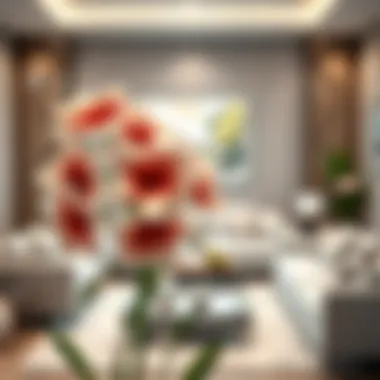
The living room is often considered the heart of the home, where family and friends gather, and impressions are made. Utilizing faux flowers in this space can have a substantial impact. Not only do they contribute to the overall aesthetic, but they also add a touch of warmth and life to an otherwise functional area.
- Color Choices: When selecting faux flowers for a living room, consider colors that harmonize with your furniture and decor. For instance, soft pastel tones can create a serene atmosphere, while bold hues can invigorate the space.
- Arrangement Styles: Whether it's a grand bouquet on a coffee table or an understated single stem in a sleek vase, the arrangement can drastically alter the vibe. Grouping smaller arrangements can provide a layered look, enhancing depth and interest.
- Textural Elements: Mixing a variety of faux foliage can also introduce countless textures, adding to the sensory experience of the room.
As a central design element, faux greenery makes the living space more inviting and visually engaging.
Dining Areas and Kitchens
In dining areas and kitchens, faux flowers serve a dual purpose: they enhance the aesthetic and can also be functional within the design. A well-placed arrangement can inspire conviviality, making mealtimes a little more special.
- Centerpieces: A vibrant centerpiece made of faux botanicals can elevate a dining table. Options range from sumptuous peony arrangements to minimalist succulents, catering to various style preferences.
- Fresh Looks Year-Round: Without concerns for seasonality, faux flowers provide continual decor. You can effortlessly switch arrangements to match themes, holidays, or even your culinary escapades.
- Practicality: Not having to worry about moisture from cooking or spills is a significant advantage, making them ideal for kitchen settings.
In essence, faux flowers can turn a simple dining area into a captivating space for everyone to enjoy.
Bathrooms and Bedrooms
Bathrooms and bedrooms can sometimes feel sterile or impersonal. The introduction of faux greenery can soften these spaces, providing an oasis of calm and tranquility.
- Spa-Like Ambiance: In bathrooms, clusters of faux plants can mimic a spa retreat, conjuring feelings of relaxation and self-care. Think bamboo or fern arrangements on the countertop or even a small faux tree in a corner for added dimension.
- Creating Serenity: In bedrooms, faux flowers can bring a soothing ambiance, aiding in the design's tranquil narrative. Soft colors and gentle textures can promote a feeling of peace.
- Space Considerations: Since bathrooms often have limited space, smaller arrangements that draw the eye upward can make the room feel larger and more open. In bedrooms, artwork featuring faux floral designs can tie the room together beautifully.
Ultimately, integrating faux flowers into these intimate spaces fosters personality and charm without requiring the diligence that live plants demand.
Faux flowers do not merely serve as substitutes; they represent a fresh approach to interior design—combining beauty, functionality, and enduring appeal.
Through understanding and application, faux flowers can truly enhance living spaces, providing both style and substance.
Choosing the Right Faux Flora
Selecting the right faux flowers and greenery is not merely a matter of aesthetics; it plays a crucial role in achieving a harmonious and appealing interior design. The market is saturated with options, and understanding how to choose the best can elevate a space from ordinary to extraordinary. By investing time and effort into making informed decisions, homeowners and design enthusiasts can ensure that the faux flora they select not only enhances the beauty of their spaces but also aligns with their values and lifestyle.
Identifying Quality Vendors
When it comes to faux flora, quality is king. The right vendor can have a significant impact on the overall success of your design vision. It’s not about just grabbing any pretty flower off the shelf; instead, it requires a discerning eye and knowledge about what truly defines quality.
- Research Vendors Thoroughly: Start by exploring options online, from reputable e-commerce sites to specialty decor shops. Read reviews and check for customer feedback. Vendors with consistent positive ratings often prioritize quality.
- Ask About Craftsmanship: Inquire about the materials used and the production process. Quality vendors typically utilize advanced technology and skilled artisans to create realistic-looking plants. Brands like Nearly Natural and Blooming artificial offer a range of lifelike options.
- Request Samples: If possible, ask for samples. Nothing beats seeing and touching the product before making a purchase. This step is vital when it comes to assessing texture, color, and how well the piece fits your design concept.
It's essential to remember that faux flowers should not look overtly plastic. A well-crafted piece will often have unique variations in color and a tactile quality that feels closer to nature. A reputable vendor will offer transparency about their process and allow you to make an informed choice.
Understanding Price Points
Price is often a pivotal factor in decision making; however, the notion that affordable always means inferior is a misconception. The key is to find a balance between your budget and the quality you seek. Understanding the various price points can assist you in navigating this landscape effectively.
- Define Your Budget: Before embarking on a shopping spree for faux plants, establish a budget. This will help you narrow down your options and avoid impulse buys that lead to regret.
- Recognize the Value of Investment: Generally, higher-priced items are crafted from better materials and with greater attention to detail. For instance, premium faux plants from brands like Pottery Barn or West Elm may cost significantly more than those from a discount store, but they often come with longer lifespans and more stunning aesthetics.
- Consider the Lifespan: When assessing price, think about longevity. A more expensive but high-quality faux flower will save money in the long run compared to cheaper alternatives that need to be replaced often.
"Quality is never an accident; it is always the result of intelligent effort." — John Ruskin
By considering these aspects thoughtfully, you're on your way to curating a collection of faux greenery that resonates with your design goals.
Future Trends in Faux Flora
The landscape of interior design is constantly evolving, and the use of faux flowers and greenery is no exception. As homeowners and designers alike seek innovative ways to personalize spaces, the importance of staying ahead of the curve with trends in faux flora becomes paramount. These trends not only enhance aesthetic appeal but also address practical considerations such as sustainability and maintenance. Here, we will delve into the latest innovations and the integration of smart features that are shaping the future of faux plants in our living environments.
Innovations in Design
The realm of faux flora has seen significant advancements in recent years, driven by technological improvements and a growing demand for realistic representations. The innovative design aspect encompasses several factors:
- Material Quality: New synthetic materials, such as advanced polymers and UV-resistant plastics, have revolutionized how faux flowers and greenery are created. These materials not only provide a more authentic look but also ensure durability, withstanding the test of time and indoor conditions.
- Realistic Textures and Colors: Modern manufacturing techniques allow for sophisticated color blending and texture variations. This means that faux plants can now mimic the nuances of their real counterparts more closely than ever before, providing a genuine organic feel in various settings.
- Customization Options: More brands are offering tailored options where customers can create their own arrangements. This flexibility empowers homeowners to truly make the faux plants fit into their specific decor, reflecting personal style and preferences.
- Artistic Collaborations: Some designers are partnering with artists to create exclusive lines of faux flora that range from avant-garde styles to timeless classics. These collaborations bring a sense of exclusivity and artistic flair that enhances the interior aesthetic.
In this rapidly changing landscape, staying attuned to these trends allows homeowners to curate spaces that feel fresh and vibrant while retaining the low maintenance appeal that faux elements offer.
Integration with Smart Home Features
As the integration of technology into home design accelerates, the potential for faux flowers and greenery to sync with smart home features is emerging. This convergence of traditional decorative elements with modern technology offers unique benefits:
- Remote Control and Customization: Imagine being able to adjust the lighting around your faux plants through a smart home app, enhancing their appearance and ambiance. Some companies are beginning to incorporate lighting features directly into their faux plant designs, allowing users to create mood settings that match different times of day or particular events.
- Automated Maintenance Alerts: While faux plants require minimal upkeep, future developments may include smart sensors that monitor environmental conditions around them. This could inform homeowners when to clean or re-arrange their decor for optimal effect.
- AI-Driven Design Assistance: Cutting-edge designs are beginning to adopt artificial intelligence to recommend specific faux arrangements based on the user's decor style, space dimensions, and even personal taste. This assistance simplifies the process of designing with faux flora while ensuring a high standard aesthetic outcome.
"Innovation meets nature in a way that transforms not just our spaces but also our approach to decorative elements."
The End
Faux flowers and greenery play an essential role in the modern landscape of interior design, ultimately enriching spaces for both aesthetics and practicality. As this article has explored, the integration of these elements can achieve a harmonious blend of beauty and functionality, making each area feel alive and welcoming without the demanding upkeep of natural plants.
Summarizing the Importance of Faux Flora
Through multiple facets, faux flora enhances the living environment by providing color, texture, and a touch of nature that resonates with many design themes. One of the greatest benefits lies in their versatility; faux plants can suit a wide array of styles from minimalistic modern to rustic farmhouse settings.
Furthermore, these artificial elements can be strategically placed to avoid clutter while maximizing visual impact. Imagine a brightly colored faux flower arrangement in a minimalist hallway or cascading greenery in a chic urban loft. They serve as conversation starters, adding character to any room.
Considering sustainability, the longevity of faux flowers means fewer replacements, thus reducing waste. Unlike their organic counterparts that wilt and decay, faux plants can persist, offering year-round aesthetics without the environmental burden of constant discards.
In a nutshell, faux flowers are not just decorative choices; they are practical solutions that align with modern sensibilities around convenience and sustainability. Their role in transforming spaces cannot be understated, as they allow homeowners and designers to create inviting atmospheres—one that is visually stimulating without demanding extensive care or resources.
"Faux flora bring vibrant life to any room, offering unyielding beauty and sustainability in a world increasingly conscious of its environmental impacts."
By harnessing the uniqueness of faux greenery, individuals can express their personality while embracing practical choices that are socially responsible. This gives reason to celebrate the ingenuity behind faux flora as indispensable assets in contemporary design.