Colorful Artificial Trees: Transform Your Interior Design
Intro
The rising trend of incorporating colorful artificial trees into interior spaces has sparked a fresh dialogue among homeowners, designers, and retailers. These pop-art-like creations are not just imitations of nature; they have evolved into distinct design statements that blend functionality with artistry. The allure lies in their ability to inject vibrancy and life into otherwise mundane settings, be it a cozy living room or a high-traffic commercial space.
As we navigate through the vibrant world of artificial trees, we dive deeper into their aesthetic charm, practical benefits, and applications across various environments. From selecting the right piece to understanding the emerging color palettes and themes, this article serves as a roadmap for those looking to transform their spaces.
Design Inspiration
Artificial trees are increasingly becoming a centerpiece in contemporary interior design, harnessing both style and character. The key to effectively using them lies in understanding the current design inspirations that influence how these installations blend into a home or office.
Trending Design Styles
Today's design landscape often embraces eclectic themes that marry various influences, allowing for the seamless integration of colorful artificial trees. Consider a few popular styles:
- Bohemian Chic: Characterized by its free-spirited approach, bohemian design favors diverse patterns, textures, and colors. Here, an artificial tree with bright foliage could complement a collection of mismatched cushions and patterned rugs.
- Minimalist Elegance: For those who advocate simplicity, a sleek, single-color artificial tree can add a touch of liveliness without overwhelming the space. Imagine a monochromatic room adorned with a striking green artificial fiddle leaf fig; it’s a look that speaks volumes without raising its voice.
- Industrial Flair: In spaces dominated by raw materials and exposed structures, a more rugged artificial tree, perhaps with metallic bases or deep, textured leaves, might resonate well. This blend of nature and industry breathes life into otherwise stark environments.
Color Palettes and Themes
When it comes to the design of colorful artificial trees, choosing the right color palette is essential. Colors can evoke emotions, influence moods, and set a tone. Here are some trending color themes:
- Earthy Tones: Rich greens, browns, and muted yellows provide a calming effect. An artificial tree with deep plumage can enhance the tranquility of interiors.
- Bold Statement Colors: Vivid oranges, deep reds, and bright pinks can serve as conversation starters. These types can be effectively used in unconventional spaces like cafes or art studios.
- Pastel Dreams: Soft blues and gentle pinks create an airy, fresh vibe. Pastel-hued trees fit well in nursery settings or casual family spaces, providing warmth and softness.
"Integrating colorful artificial trees into your home not only reflects your personal style but also allows for endless creativity and flexibility in design."
Ending
As we finish exploring the design inspirations, it becomes clear that colorful artificial trees are not merely decorative items; they serve as modern design elements with significant impact. From bohemian vibes to minimalist touches, the diverse styles and colors available ensure that these artificial trees will suit a myriad of tastes and preferences.
Stay tuned as we shift our focus to practical tips that can elevate the integration of these trees into your space.
Preface to Colorful Artificial Trees
The world of interior design is an ever-evolving landscape where creativity meets functionality. In this context, colorful artificial trees emerge as an intriguing design element that has captured the attention of homeowners, designers, and retailers alike. They’re much more than mere decorations; these vibrant installations serve various purposes, from enhancing aesthetic appeal to providing ambiance in diverse settings.
The significance of colorful artificial trees lies in their unique ability to bring life to spaces without the demands of natural flora. Unlike their living counterparts, these artificial trees do not require sunlight, water, or regular maintenance. This aspect makes them particularly desirable for those who admire greenery but find themselves battling busy lifestyles or inconsistent indoor climates. By integrating these pieces into their designs, individuals can enjoy a splash of color and an eye-catching focal point that boosts the overall atmosphere of a room.
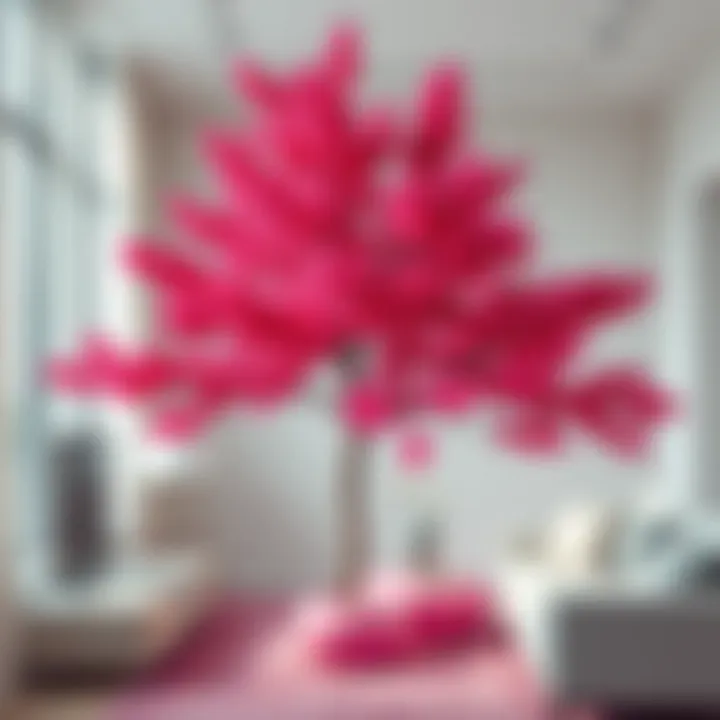
One critical facet to consider is the visual impact that colorful artificial trees can have. They can transform a dull corner into a lively area that draws the eye and elicits curiosity. Imagine a vibrant magenta tree standing proud in a monochrome living room or a sunny yellow tree brightening a home office. The colors not only uplift the mood but also create a sense of harmony and balance within the space.
Furthermore, the modern consumer is increasingly leaning toward sustainable choices. Many artificial trees are crafted from eco-friendly materials, appealing to those with a conscious mindset. This trend ties in with a broader narrative; it reflects a shift towards responsible consumption and the desire for durable, long-lasting products.
In exploring colorful artificial trees, it’s essential to go beyond their surface appeal. The selection process requires thoughtful consideration regarding aesthetic compatibility, material quality, and placement strategies— all elements that significantly contribute to the success of incorporating these trees into various environments.
The intersection of functionality and style in colorful artificial trees makes them a smart choice for contemporary interior designs.
Therefore, as we delve deeper into this article, we will uncover various aspects of these design elements, including their historical context, the nuances of design considerations, and their benefits. Understanding each characteristic helps in making informed choices that can revamp homes and commercial spaces effectively.
In summary, colorful artificial trees are significant players in modern interior design, offering dazzling aesthetics without the hassle of upkeep. Their versatility and innovation present endless possibilities for enhancing living and working environments. As we navigate through the sections ahead, it will become evident that these lively decorations hold more than just visual allure—they represent a lifestyle choice that harmonizes creativity and practicality.
Historical Context and Evolution
The journey of artificial trees is not a recent phenomenon; their evolution reflects a blend of artistry, practicality, and technological advancements throughout the years. Exploring this history provides insights into how our perceptions and uses of artificial flora have transformed, enhancing their significance in contemporary design.
Origins of Artificial Flora
Artificial flora traces its roots back to ancient civilizations. The Egyptians, for instance, crafted lifelike replicas of plants for decorative and ceremonial purposes, demonstrating an early understanding of artificial aesthetics. Fast forward to the 19th century, when silk flowers gained popularity, particularly in Europe and America. These early creations served various functions, from home décor to costume embellishments, allowing individuals to enjoy floral beauty without concern for wilting. At that time, artisans invested significant labor into ensuring each piece looked authentic, honing their skills in crafting delicate petals and realistic foliage. This focus on craftsmanship underlined the foundational philosophy behind artificial trees: the desire to capture nature's beauty in a durable, low-maintenance form.
In the early 20th century, the introduction of plastic revolutionized the market. Suddenly, the potential for mass production became a reality, making artificial trees more accessible to the public. The 1950s brought about a further shift with the advent of polyester and PVC materials, which not only enhanced durability but also expanded creative limitations. This period marked a turning point when artificial trees transitioned from mere decorative items to integral components of interior design, allowing for versatile applications in various spaces.
Development Through the Decades
Decades later, the evolution of artificial trees continued in line with design trends and technological advancements. The 1970s to 1990s saw a focus on realism. Designers began incorporating intricate details such as realistic branches and variegated leaves to mimic the characteristics of real trees. Materials improved steadily, allowing for textures and shapes that were visually convincing. Consumers sought lush, vibrant designs that could elevate their residential and commercial environments without the hassle of maintenance.
In contrast, the turn of the millennium ushered in a new wave of creativity fueled by the rise of eco-consciousness and sustainability. Designers started to explore how color could not only enhance beauty but also influence psychological effects in interiors. Thus, colorful artificial trees emerged, allowing homeowners and designers alike to infuse spaces with personality, mood, and vibrancy.


Today, the market is flooded with options, from minimalist designs that work well in modern décor to exuberant, vividly colored pieces that serve as statement art. Thanks to technology, 3D printing and innovative materials have democratized design further, enabling even the most imaginative concepts to come to life.
"The history of artificial flora is a testament to our enduring desire to intertwine nature with the human environment, reflecting cultural shifts and advancements."
The progression of artificial trees illustrates not just changes in material use but also evolving tastes in aesthetic principles. From the handcrafted wonders of ancient times to the striking designs of today, artificial trees have carved a niche as a modern design element that resonates with diverse aesthetics and functionalities.
Design Considerations for Artificial Trees
When it comes to integrating artificial trees into interior spaces, design considerations play a pivotal role. This is not merely about choosing a plastic plant; it includes several facets that impact aesthetics, functionality, and the overall mood of the environment. Selecting the right artificial trees is instrumental because they can harmonize or disrupt the decor, affect maintenance routines, and even influence visitors’ perceptions.
Choosing Aesthetic Styles
Artificial trees come in a variety of styles, each capable of transforming a space in unique ways. Understanding the aesthetic you wish to achieve is crucial.
- Contemporary Minimalism: Selecting trees with clean lines and a minimalist design can enhance a modern space. A sleek artificial Fiddle Leaf Fig, for example, fits perfectly in a minimalist setting, adding just the right amount of green without overwhelming other design elements.
- Bohemian Flourishes: If you lean towards a bohemian vibe, consider vibrant, multi-colored trees such as a faux Tropical Palm. These trees add a lively pop of color that complements eclectic furnishings and textiles, creating a warm and inviting atmosphere.
- Classic Elegance: For a more traditional setup, a well-crafted silk Magnolia might align with your vision. Its realistic blooms and soft foliage can elevate a room's elegance while providing a natural touch. Avoid overly bright colors that might clash with other classic elements of the decor.
In essence, aligning the chosen artificial tree with the overall design theme of the space ensures that it complements rather than competes with existing features.
Material Composition and Quality
The materials used in crafting artificial trees are essential not only for appearance but also for longevity. Investing in quality compositions can save time and potentially cost in replacements.
- Polyethylene (PE) Plasctic: Often used for the leaves, this type offers UV resistance and a realistic texture. PE trees can withstand various environmental conditions, making them suitable for sunlight exposure without fading.
- Silk Fabrics: Often associated with higher-end artificial plants, silk leaves can replicate the soft texture of real foliage. They move gently with airflow, giving a natural appearance. However, they might require more care as dust can accumulate more easily.
- Metal and Wood Frames: A sturdy structure is vital. Metal frames ensure durability, allowing the tree to stand tall and resist tipping over. Wood frames, while more traditional, suggest a rustic charm that lends itself well to specific decor styles.
"The best artificial trees are those that fit seamlessly into your design narrative, telling the story of your space without uttering a word."
The Color Spectrum in Artificial Trees
The color spectrum in artificial trees isn't just about vibrant shades that catch the eye; it serves as a significant design element that affects how spaces are perceived and experienced. Color has the power to alter moods, amplify feelings, or even invoke specific memories. Incorporating colorful artificial trees into interiors can dramatically enhance the aesthetic appeal, creating environments that are not only pleasing to the eye but conducive to well-being.
The strategic use of color can align with personal preferences and even dictate how a room is utilized. For homeowners, designers, and business owners alike, understanding how to play with shades can lead to more thoughtful interior spaces. Colorful artificial trees bring an element of nature indoors without the complications often associated with real plants, such as seasonal changes and upkeep. This combination of nature and modern design could be the key to unlocking more vibrant living or working spaces.
Impact of Color Psychology on Space
Color psychology delves deep into how different hues affect our emotions and interactions. For instance, warm colors like reds, oranges, and yellows can evoke feelings of energy and warmth, making them suitable for spaces designed for social gatherings. On the other hand, cooler colors like blues and greens promote tranquility and relaxation, ideal for bedrooms or relaxation areas.
- Red: Stimulates appetite and excitement, making it fitting for dining areas.
- Yellow: Represents sunshine, typically enhancing creativity and focus, perfect for workspaces.
- Green: Symbolizes tranquility and growth, useful in personal oasis spaces.
- Blue: Encourages calmness and serenity, a good fit for any area aimed at relaxation.
“The right color can transform a dreary space into a lively atmosphere, while the wrong one can drain all energy from it.”
Incorporating artificial trees in these preferred hues can blend color psychology with interior design seamlessly. A vibrant red artificial tree could inject energy into a minimalist workspace or make a cozy reading nook feel immediately inviting with splashes of yellow. Such considerations can elevate simple decor into unforgettable experiences.
Trendy Color Combinations
When it comes to trendy color combinations for artificial trees, there’s a world of creativity at designers' fingertips. Thoughtful pairings not only enhance visual aesthetics but can also underline specific design themes or client preferences. Here are a few popular combinations that stand out today:
- Coral and Teal: This refreshing duo brings warmth and calm, perfect for coastal or bohemian-themed interiors.
- Emerald Green and Rose Gold: A luxurious combination that adds a touch of sophistication, suitable for high-end residential or commercial spaces.
- Muted Pastels: Soft shades of pink, blue, and lavender can create a serene environment, offering a calming effect in healthcare settings or relaxation spaces.
- Monochrome with a Splash: Use varying shades of the same color with one standout artificial tree to create a focal point that doesn’t overwhelm.
To add these colors effectively, it’s essential to consider not just where the trees will sit, but how they'll relate to the rest of your color scheme. Furthermore, furniture and wall colors can play a role; thus, an artificial tree in a complementary shade can bring unity to an overall design theme.
By using these vibrant color options and trends effectively, colorful artificial trees can serve both aesthetic and functional purposes, breathing life into spaces and making them memorable for anyone who enters.
Functional Benefits of Artificial Trees
Artificial trees have carved out a niche in modern interior design, marrying aesthetics with practicality in ways that real plants often cannot mimic. Understanding the functional benefits of these vibrant installations is crucial for homeowners, designers, and anyone involved in creating appealing spaces. From maintenance to allergen considerations, let’s delve into what makes these artificial wonders a smart choice.
Maintenance and Longevity
One of the most significant advantages that artificial trees offer is low maintenance. Unlike living plants, which demand regular watering, pruning, and precise lighting conditions, artificial trees simply require occasional dusting to keep them looking fresh and vibrant.
- No Watering Needed: Forget about the burden of watering schedules. These trees won’t wilt if you forget to tend to them for a week or two.
- Durable Materials: Crafted from high-quality plastics and other materials, modern artificial trees are designed to withstand the tests of time. You won’t see them yellowing or breaking apart like their natural counterparts might.
- Adaptable to Any Environment: From a cozy apartment with limited sunlight to large commercial spaces, artificial trees thrive anywhere. They’re not fussy about light exposure, temperature, or humidity, making them incredibly versatile.

Moreover, the lifespan of artificial trees can stretch well beyond that of real plants. A well-made artificial tree can last for years—often decades—if taken care of properly.
Allergen-Free Alternatives to Real Trees
For those plagued by allergies or sensitivities, artificial trees offer a breath of fresh air—quite literally. The potential allergens from real plants, such as pollen or mold, can trigger discomfort and health issues for many individuals. Here’s why colorful artificial trees are a boon in this regard:
- Pollen-Free: Unlike live trees that produce pollen, artificial variants provide the beauty of greenery without the allergy triggers.
- Mold Prevention: Real plants can develop mold, particularly in high-humidity environments. This can be a significant concern for certain households. Since artificial trees don’t require soil or water, they eliminate this problem entirely.
- Peace of Mind: For families with children or pets prone to allergies, integrating artificial trees can enhance the home's aesthetic while ensuring a discomfort-free environment.
"Artificial trees, offering the charm of real plants with none of the upkeep, are indeed game changers in enhancing interior spaces."
In summary, the functional benefits of artificial trees extend beyond mere beauty into realms of health and practicality. Their low-maintenance nature, durability, and allergy-friendly qualities position them as not only aesthetically pleasing but also sensible options for enhancing modern interiors. Incorporating these elements can elevate spaces dramatically while aligning with the practical needs of contemporary living.
Where to Utilize Colorful Artificial Trees
Understanding where to place colorful artificial trees within a space is crucial for maximizing their impact and aesthetic contribution. These vibrant installations not only spruce up a room but also play a role in defining the ambiance. By strategically positioning these trees, you can enhance design elements, complement architectural features, and even improve the overall mood of the environment. They can bring life to dreary corners and serve as dynamic focal points, making them indispensable in contemporary decor.
Residential Applications
In homes, colorful artificial trees serve more than just a decorative purpose. They can transform a bland living room or hallway into a warm, inviting space. Here are several key ways to integrate them into your home:
- Living Room: Position a tall, colorful artificial tree in a corner to draw the eye and create a spacious feel. This can double as a natural-looking divider between areas without compromising openness.
- Entryway: A brightly colored tree can provide a friendly welcome, setting a cheerful tone right as guests step inside. It makes the first impression unmistakable and memorable.
- Dining Area: Use smaller, decorative trees on dining tables or sideboards. This can infuse an element of nature and color that enhances dining experiences, making meals feel more special.
- Home Office: They can be quite beneficial in workspaces as well. Adding an artificial tree can boost creativity and serve as an inspiring backdrop during video calls.
Utilizing colorful trees in these spaces not only adds vitality but can also influence how a room feels. For instance, trees with warm colors tend to create a cozy, inviting atmosphere, while cooler tones might evoke calmness.
Commercial and Institutional Spaces
In commercial or institutional environments, the benefits of colorful artificial trees extend beyond mere aesthetics. They can positively impact client perceptions, employee morale, and even foot traffic. Here are some considerations for their use in such spaces:
- Retail Stores: Bright, colorful trees can draw the eye of passing shoppers, effectively acting as living advertisements. They create memorable displays, encourage longer visits, and boost overall sales.
- Offices: Incorporating artificial trees in company lobbies or break rooms can improve employee satisfaction and productivity. A vibrant workspace not only looks appealing but also contributes to a positive work culture.
- Healthcare Facilities: In hospitals or clinics, colorful trees can create a soothing environment. They can help reduce stress and anxiety while providing a comforting touch to often sterile spaces.
- Educational Institutions: Classrooms and common areas enriched with artificial trees can make a learning environment feel warmer and more inviting, supporting student engagement.
By thoughtfully placing these colorful elements, businesses can change perceptions and foster more dynamic, uplifting environments. Considerable attention should be given to the colors and styles chosen, as they can reflect a company's brand or the institution's values.
"Colorful artificial trees are more than mere decor; in the right setting, they can provoke emotion, influence behavior, and create lasting impressions."
Placement Strategies for Maximum Impact
When it comes to incorporating colorful artificial trees into interiors, the strategy behind their placement can make or break the overall ambiance. These vibrant elements have the power to transform a dull space into an invigorating environment, but how they are positioned is paramount. It is essential to consider factors like the existing architecture, lighting, and the overall design scheme. Strategic placement ensures these synthetic flora don’t merely serve as decor but enhance the functionality and beauty of a space.
Highlighting Architectural Features
Artificial trees can play a role beyond mere aesthetic value; they also interact cleverly with architectural features. Positioning them near significant structural elements like large windows, doorways, or artistic columns can emphasize these traits. For instance, placing a tall, elegantly colored artificial tree next to a sleek glass window allows sunlight to filter through the leaves, creating mesmerizing shadows on the wall.
Consider locating these trees in corners or alcoves where they can frame a room without overwhelming the space. This technique invites the eye to travel across the room, helping to draw attention to fascinating details and giving the area a more cohesive feel. An example might be showcasing a lush, green artificial palm in a corner that opens up with natural light, directing focus towards an ornate chandelier or an interesting ceiling design.
Creating Focal Points
In interior design, focal points reign supreme. These are the features that catch the eye first and hold attention. Colorful artificial trees can serve as stunning focal points, particularly in minimalist or modern settings. Choosing the right tree—be it a vivid cherry blossom or a dramatic red maple—can bring vibrancy to otherwise neutral spaces.
- Consider Size and Color: A larger, brightly colored tree will dominate a space, while smaller ones can complement existing decor.
- Balance is Key: If you decide to feature a bright, bold tree, balance it with subtler or more muted tones elsewhere in the room to maintain harmony.
- Surroundings Matter: Position artificial trees in front of a contrasting backdrop, like a dull wall or between two stark furniture pieces, to truly create a sense of depth and interest.
"Well-placed artificial trees can serve not just as decor but as intentional design tools that breathe life into any space."
Integrating colorful artificial trees into your environment with thoughtfulness in placement can significantly influence the mood and functionality of the space. Homeowners, designers, and enthusiasts alike can explore these strategies to tap into the transformative potential of artificial landscaping. Taking the time to craft an intentional layout around these elements will ensure they not only shine individually but also elevate the entire room's experience.
Maintaining Authenticity in Artificial Landscaping
The significance of maintaining authenticity in artificial landscaping cannot be overstated, especially when it comes to colorful artificial trees. Authenticity is not simply about replicating nature; it’s about creating an atmosphere that resonates with the natural world while embracing modern advancements in design. The thoughtful integration of these artificial elements enhances both aesthetic appeal and functional value, making spaces inviting and vibrant.
When selecting artificial trees, one must consider how closely they align with natural growth patterns. This entails understanding the way plants grow, the angles of branches, and the overall symmetry that nature so effortlessly achieves. By emulating these characteristics, designers can avoid a stark contrast with the true botanical environment. If done correctly, artificial trees can evoke a sense of life, infusing spaces with energy without the burdens of upkeep that real trees demand.
Practitioners in the field often advocate for integrating these artificial installations into the architecture of a space instead of treating them as separate entities. By doing this, the trees can appear as if they are an essential part of the environment rather than mere decorations. The interplay between manufactured elements and real surroundings can result in striking designs that are both modern and timeless.


Emulating Natural Growth Patterns
Emulating natural growth patterns is a critical aspect when it comes to larger artificial trees. Users must recognize that trees in nature seldom grow symmetrically or uniformly. Thus, when selecting or designing these elements, one must think about the unique quirks that occur within a real tree’s structure.
For instance, when you look at a maple tree, its branches might stretch out irregularly or twist in unusual ways due to external forces, such as wind. Similarly, a well-designed artificial tree should exhibit a deviation from perfection. Here are a few pointers to consider:
- Branch Distribution: Ensure branches are distributed naturally. Rather than placing them evenly, allow some to extend further than others.
- Height Variance: A realistic tree has varying heights and no two branches seem to conform to a standard height. Introducing this variance can elevate the tree's authenticity.
- Organic Curvature: Incorporating gentle bends in the trunks and branches mirrors natural irregularities, giving the illusion of organic growth.
These approaches ensure that artificial trees do not merely stand out as synthetic creations but rather blend seamlessly into their surroundings.
Choosing Realistic Textures and Forms
The texture and form of artificial trees can make or break the authenticity factor in artificial landscaping. Understanding the look and feel of real trees offers an essential guide for achieving the desired effect. Factors such as bark roughness, leaf shape, and the overall silhouette are crucial for success.
- Bark Simulation: The bark of an artificial tree should mimic the rough and varied textures found in nature. Brands like Silk Trees or Nearly Natural are known to use advanced materials that replicate the look of real tree bark convincingly.
- Leaf Materials: The leaves should not only look realistic but also have the right feel to them. Using a translucent form can give an impression of light filtering through, reminiscent of a real canopy.
- Shadow Play: Consider how these trees interact with light. Proper placement can cast lifelike shadows, enhancing the realism of your installation.
A focus on these textures and forms ensures the artificial tree enriches the environment, convincing observers that they are witnessing nature preserved in a modern format. By blending various artistic approaches and design strategies, these colorful artificial trees can genuinely resonate with those who experience them, leaving behind a lasting impression.
Authenticity in artificial landscaping is not an oxymoron, but rather a possibility fueled by thoughtful design choices.
Future Trends in Artificial Botanical Designs
As we step further into the era of design innovation, the landscape of interior aesthetics is ever-changing. Colorful artificial trees are not simply a fleeting trend; they reflect broader shifts in how we conceptualize spaces and the elements that enrich them. The future of artificial botanical designs holds a promise of greater creativity and sustainability. This section will explore the exciting prospects that lie ahead, highlighting the importance of technology and eco-conscious materials in shaping these vibrant features.
Innovative Uses of Technology in Design
In the fast-paced world we inhabit, technology’s footprint on design is undeniable. Artificial trees are embracing new strides in innovation, taking them from mere decorative elements to dynamic, interactive installations. For instance, advancements in LED lighting technology are transforming the appearance of artificial trees, allowing them to glow in various colors, creating a stunning ambience in any environment. Not only does this add visual appeal, but it can also be tailored to change with the seasons or occasions, be it warm autumn hues or bright spring vibes.
Moreover, smart technology has made its way into these designs. Picture an artificial tree that can change colors based on the time of day or even respond to the mood of the occupants through ambient light sensors. The blend of aesthetic purpose and technological integration is paving the way for a future where these installations are not just static, but alive and reactive.
- Digital integration: Utilizing mobile apps to customize lighting type and color.
- AR (Augmented Reality): Offering virtual previews before installation, helping clients visualize how different designs would fit their space.
"The intersection of art and technology is the future of design, where creativity knows no bounds."
As homeowners and interior designers seek more than traditional decor, these tech-savvy trees promise an engaging experience, pushing the boundaries of how we perceive artificial flora in our interiors.
Sustainability and Eco-Friendly Materials
With growing awareness about environmental responsibilities, the market for artificial trees is witnessing a noteworthy shift toward sustainable practices. The philosophy around sustainable design is not merely about choosing eco-friendly materials; it's a holistic approach that encompasses the lifecycle of the product.
Today, brands are increasingly sourcing materials such as recycled plastics and biodegradable substances to create their artificial trees. This not only lessens the ecological burden placed on our planet but also caters to a conscientious consumer base that values sustainability. By choosing a product made from such materials, homeowners can contribute to the reduction of plastic waste while enjoying the beauty of artificial greenery.
In addition, manufacturers are improving their processes to minimize energy consumption and carbon footprints during production.
- Use of reclaimed wood for tree trunks.
- Plant-based dyes for vibrant colors that won't harm the environment.
- Energy-efficient manufacturing practices that also reduce emissions.
As trends like sustainability gain momentum, the demand for eco-friendly artificial trees will likely grow. Designers will increasingly advocate for choices that not only enhance aesthetic beauty but also align with eco-conscious values. This suggests that colorful artificial trees can indeed serve as harbingers of environmental responsibility in modern design, creating a harmonious balance between vibrant interiors and the preservation of our planet.
Closure: The Value of Colorful Artificial Trees in Modern Design
In summing up the significance of colorful artificial trees within contemporary interiors, we find a striking blend of aesthetics and functionality that resonates with diverse audiences. As urban environments become increasingly sterile, the introduction of these vibrant installations serves to soften harsh lines and breathe life into cold spaces. Homeowners, designers, and even retailers increasingly recognize how these decor elements can act not merely as eye candy, but as crucial components that enhance the mood and usability of a space.
The Aesthetic Appeal
Colorful artificial trees provide an instant splash of color while also mimicking the natural world. Unlike their live counterparts, these designs allow for year-round enjoyment without the nuisance of seasonal shedding or dying. This reliability stands as a significant advantage, especially in climates where natural foliage may not thrive year-round. The ability to choose from a kaleidoscope of colors means one can tailor these trees to fit precisely with the broader design language of a space.
Practical Advantages
Beyond aesthetics, the practical benefits of colorful artificial trees can’t be overstated. They offer hassle-free maintenance, needing only occasional dusting to keep them looking fresh. In addition, they serve as allergen-free alternatives to real plants, making them particularly valuable for those with sensitivities. This means busy family homes or bustling office spaces can integrate greenery without the fuss.
"In a world that often feels disconnected from nature, colorful artificial trees provide a digital-age solution to reconnecting with vibrant plant life."
Design Considerations
However, it is crucial to remember that not all artificial trees are created equal. Material quality can greatly influence the overall impression they make. Investing in high-quality products allows for realistic textures and forms, making it harder to distinguish from authentic flora. When selecting these design elements, one should also consider placement carefully. Whether used to create focal points or to highlight architectural features, the strategic use of these trees can completely transform the ambiance.
Final Thoughts
Ultimately, colorful artificial trees hold considerable value as modern design elements that enrich interiors. They cater to both aesthetic desires and practical requirements, making them suitable for residential as well as commercial designs. As we move forward, it’s likely that these vibrant installations will grow even more sophisticated, paving the way for innovative additions in the world of interior design. By embracing the potential of colorful artificial trees, one can elevate their spaces significantly, achieving a seamless blend of style and substance.