Exploring the Art of Decorative Stacked Boxes
Intro
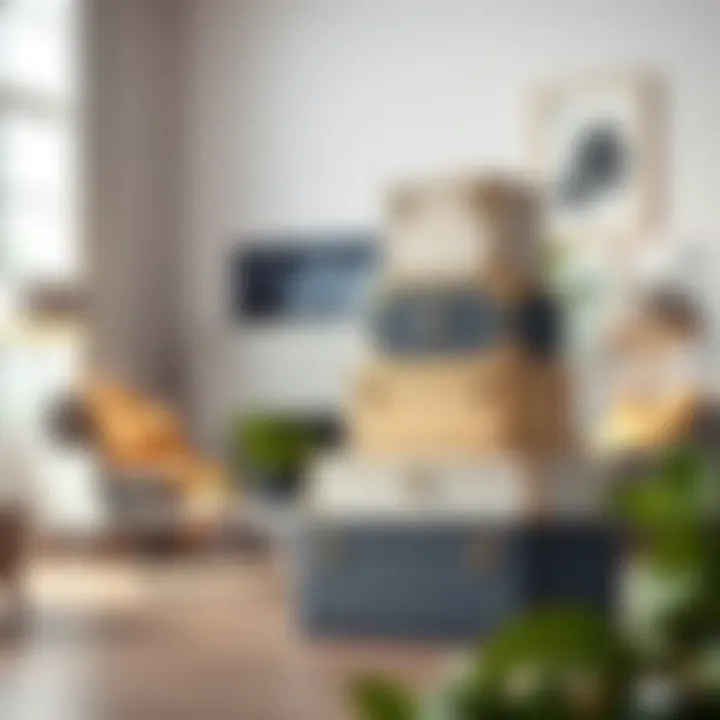
Decorative boxes might seem like just another trend in home decor, but they hold a world of possibilities that goes beyond mere aesthetics. The beauty of stacked decorative boxes lies in their versatility; they not only serve as eye-catching pieces but also provide functional solutions for organization and storage. Homeowners and designers alike are drawn to how these boxes can seamlessly blend various elements, elevating the overall ambiance of a space.
In this article, we aim to dissect the intricate layers of stacked decorative boxes. From design inspiration to practical tips, each section is intended to guide you through understanding how to use these boxes effectively. By examining aggregate elements such as styles, materials, and arrangement methods, we explore how to incorporate stacked decorative boxes into any home setting.
What really makes this exploration worthwhile is the nuanced interplay between form and function. The right choice of a decorative box can bring a room to life, serving as both a statement piece and a practical storage solution. As we navigate through the various aspects of these boxes, remember, this isn’t just about decoration; it’s about creating spaces that resonate with personal style while being grounded in functionality.
Preface to Stacked Decorative Boxes
When it comes to home decor, stacked decorative boxes serve a purpose that goes beyond mere aesthetics. They embody a delightful interplay of form and function, combining visual appeal with practicality. These boxes can be an excellent solution for organization, allowing you to declutter while adding a touch of elegance to any space. Whether positioned in a living room, a stylish office corner, or a cozy bedroom, their presence can elevate the entire room.
Understanding the Concept
The concept of stacked decorative boxes is quite simple yet captivating. Think of them as layered pieces in a composition that can tell a story or create a focal point in a room. Instead of merely storing items, they offer a charming way to present personal collections, heirlooms, or everyday necessities. Their versatility allows them to adapt to any interior theme, from rustic chic to modern minimalism.
A single stacked arrangement can serve a variety of functions: a surface for display, a system for organization, or an artistic statement reflecting one’s personality. Additionally, using different sizes and materials of boxes can create depth and visual intrigue, making them a valuable tool for designers and homeowners alike.
Historical Context and Evolution
The history of decorative boxes extends back to ancient civilizations. In many cultures, boxes were not only utilitarian but also represented wealth and craftsmanship. For example, ancient Egyptian carvings depict beautifully crafted boxes often used to store valuable artifacts or gifts for the deceased. This historical significance adds a layer of appreciation for modern adaptations.
As we moved into the Renaissance, these boxes evolved into ornate pieces, often made from fine woods and featuring intricate designs. They became symbols of status among the aristocracy. Fast-forward to the contemporary era, where designers and artisans have transformed the concept of the stacked box, introducing various materials like metal, glass, and fabric.
Today, these boxes reflect a fusion of tradition and innovation, connecting the past with modern design principles. This evolution not only speaks to the enduring nature of the decorative box but also highlights its adaptability to changing tastes and functionality throughout the years. This is particularly relevant in today's context, where sustainability is a key consideration; many craftspersonners are repurposing materials to create unique, eco-friendly stacked boxes.
Decorative boxes are not just artifacts - they are experiences intertwined with histories, aesthetics, and functions that resonate with today's home decor landscape.
Aesthetic Considerations
When discussing stacked decorative boxes, aesthetic considerations are paramount. These boxes serve not just as storage solutions but also as vital components in home decor. How they look can influence the ambience of a room, making aesthetic choices crucial for anyone aiming to create a welcoming environment.
The visual appeal of stacked boxes can enhance the overall aesthetic of a space. Colors, patterns, and styles all play a role in how these decorative pieces fit into your home. A carefully selected style communicates your personality, while harmonious color choices can create mood and balance within a room. These aspects can elevate an ordinary living area into something aesthetically pleasing.
Selecting the Right Style
Choosing the right style of stacked decorative boxes can feel akin to picking the perfect accessory for an outfit. It’s the little details that often make the most significant impact. Factors like the existing decor and personal taste should guide your selection. If you’re working with a modern home, sleek metallic boxes with geometric shapes might resonate well. For a rustic touch, wooden boxes with organic finishes bring warmth and an inviting vibe.
Here’s a thought to ponder: the style should complement, not clash, with your existing decor. Think about whether you want the boxes to blend in seamlessly or stand out as statement pieces. For instance, a vintage-inspired setup might include ornate patterns, while minimalistic designs favor clean lines. This decision can drastically affect how welcoming a room feels, so take some time to mull it over.
Color and Pattern Choices
Colors and patterns breathe life into your decor, and stacked boxes are no exception. Just like a painter considers their palette, you should think about how the colors of your boxes interact with your surroundings. Neutral tones can offer sophistication and subtle elegance, while brave pops of color can energize a dull corner.
When picking patterns, consider the following:
- Florals for a feminine touch: Great for adding charm, especially in spaces like bedrooms or living rooms.
- Stripes for modernity: They can elongate the appearance of walls and lend a contemporary vibe.
- Geometric shapes for minimalism: Works well for those aiming for a clean, ordered look.
Color choices should also correspond to the emotional tone you wish to set. Warm colors like reds and yellows can create a cozy environment, whereas cool shades like blue and green foster calmness.
"The right color can transform an object from mundane to extraordinary, especially in home decor."
In the grand tapestry of a well-decorated home, stacked decorative boxes represent both form and function. Thoughtful consideration in style, color, and patterns not only beautifies but adds a personal touch to your space.
Materials and Textures
When it comes to stacked decorative boxes, the choice of materials and textures can dramatically enhance the overall aesthetic and functionality of your home decor. These elements are more than just about looks; they serve as a bridge connecting the visual appeal of your space with practical applications. Selecting the right material can ensure durability, while texture invites a tactile experience that enriches the environment.
Wooden Boxes: Classic Appeal
Wooden boxes exude a warmth and timelessness that few materials can match. From a rustic pine to a polished mahogany, the variations in wood can cater to any decor style. Beyond mere beauty, wooden boxes are incredibly robust, allowing them to function beautifully for storage without compromising on style. The natural grains and knots in the wood provide depth, making each piece unique.
- Durability: Wood withstands wear and tear better than many materials, making it suitable for both decorative purposes and long-term storage solutions.
- Versatility: Whether it's a coastal theme with driftwood textures or a formal look with sleek dark finishes, wooden boxes can suit different ambiances.
- Sustainability: Many consumers today opt for reclaimed wood, promoting eco-friendly decorating choices.
"The beauty of wooden boxes lies not just in their looks, but in their ability to tell a story—every scratch and mark is part of their character."
Metallic and Glass Options
Metallic and glass boxes offer a contemporary twist to the traditional concept of decorative storage. With sleek lines and reflective surfaces, these materials can become statement pieces in a room. Glass boxes can lighten a space, giving an airy feel, while metallic boxes often lean towards a bold statement, imparting a sense of luxury.
- Industrial Chic: Metal finishes, whether brushed brass or polished chrome, can fit seamlessly into modern or industrial decor.
- Illusion of Space: Glass boxes reflect light, making them perfect for smaller spaces where one wants to create an open feel.
- Protective Feature: These materials can safeguard important items while allowing visibility, adding layers to your decor.
Fabric-Covered Boxes: Soft Touch
Fabric-covered boxes bring a softness to spaces that can often feel hard or cold due to the use of metal and wood. The variety of patterns and textures available allows for personalized touches, turning plain storage solutions into fashionable elements.
- Warmth and Comfort: Fabrics like velvet and cotton provide a homely feel, making them perfect for cozy spaces.
- Customization: The ability to choose custom fabrics or patterns means you can create unique looks that express personal style.
- Lightweight: Unlike heavier materials, fabric-covered boxes are easy to move around, allowing for flexibility in organizing your space.
In summary, selecting the right materials and textures for stacked decorative boxes is crucial not just for aesthetic beauty, but also for enhancing functionality in your living environment. Each option has its own set of benefits, appealing to different personal tastes and lifestyles.
Functional Aspects
Decorative boxes are not merely aesthetic additions to a living space; they play a vital role in functionality as well. Understanding the functional aspects of stacked decorative boxes is crucial for anyone looking to enhance their interior design or improve organization at home. They serve as versatile tools that make life a bit more manageable, all while providing an attractive visual appeal.
Organization and Storage Solutions
When it comes to organization, stacked decorative boxes shine like a beacon. They help keep clutter at bay, which is a one-way ticket to achieving a serene living space. Instead of stuff scattered about, a thoughtful arrangement of these boxes can organize everything from small trinkets to knick-knacks and even paperwork. Here are some ways they can serve your storage needs:
- Categorizations: You can group similar items together. For instance, all holiday decorations can nestle snugly in a single box. Or, maybe you want to keep all your art supplies tidy and easy to find.
- Space Efficient: By stacking, you use vertical space effectively. This is especially beneficial in smaller homes or apartments where floor space comes at a premium.
- Easy Access: Unlike traditional drawers that can be cumbersome, decorative boxes allow for quick retrieval. You can just lift the top box to access what's underneath without a hassle.
For the eco-conscious, opting for upcycled or sustainably produced boxes adds another layer of functionality. Not only does it help the planet, but it also contributes unique character to your space—each box tells its own story.
Multi-Purpose Uses
Repurposing is in vogue, and stacked decorative boxes fit right into that trend. Imagine the myriad of ways these boxes can serve you beyond mere storage:
- Accent Pieces: Instead of paying a fortune for a decorative table, why not stack colorful boxes to act as a unique centerpiece? It catches the eye and serves the dual purpose of display and storage.
- Personal Workspaces: In a home office, these boxes can keep your essentials organized while adding color to the environment. You might use one for documents, another for stationery, and perhaps a third for personal keepsakes that inspire creativity.
- Children's Play Areas: They can also act as creative play stations. Stack a few at child height, and suddenly, they morph into a vibrant play area, helping kids to learn organization skills early on. Each box can hold different types of toys, offering a fun way to teach them about sorting.
"When practical meets artistic, you’ve struck gold in home design."
Decorating with Stacked Boxes
The act of decorating with stacked boxes is more than just a popular trend; it’s a practical approach to managing space while ensuring aesthetic appeal. Stacked decorative boxes serve as functional pieces that also enhance the visual narrative of a room. With their varied shapes, sizes, and materials, such boxes can fit seamlessly into any design scheme, from minimalist to eclectic.

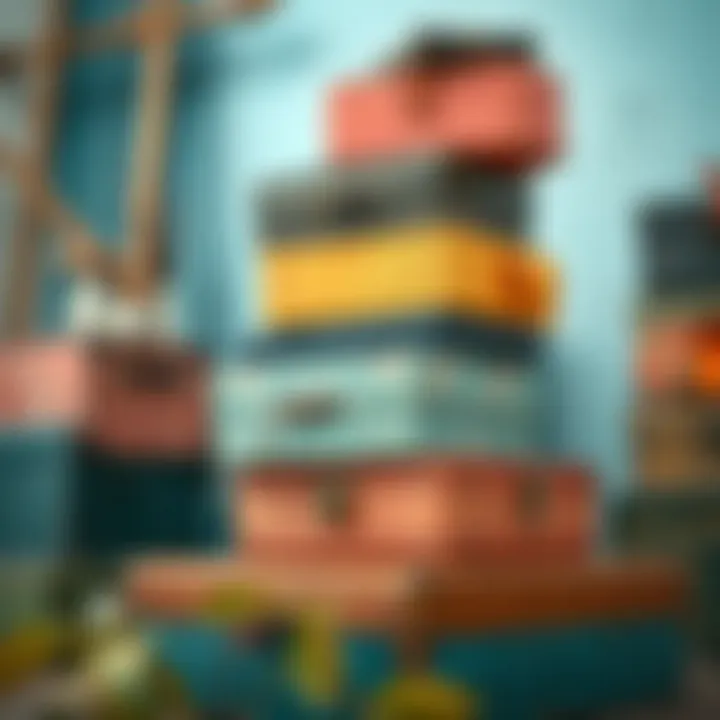
When you think about stacked boxes, consider how they can become focal points or subtler components that blend into the background. Their placement and design are crucial for creating an inviting atmosphere. Understanding this art can elevate your home’s interior and provide an interesting juxtaposition in your decor schemes.
Placement Strategies
Positioning is key when it comes to stacked decorative boxes. You have to consider the scale of the boxes against the surrounding furniture. For example, placing a large stack on a coffee table gives it a noteworthy presence, providing a surface that invites viewers to explore what's inside. It can also create contrast with other decor elements, such as lamps or artwork.
Here are some strategies:
- Corner Spaces: Use stacked boxes in corners to maximize otherwise wasted space.
- Bookshelves: This is an excellent area for integrating boxes. They can bring texture and color, breaking up the monotony of traditional books.
- Coffee Tables: A stack can serve both beauty and function, holding coasters or remotes stylishly.
Choosing the right height is also important. Stacked boxes should be at a level that is easily accessible but does not obstruct views. When in doubt, test various placements until it feels just right.
Creating Visual Harmony
To achieve visual harmony with stacked boxes, you need to think about how they relate to other elements in the room. This involves more than simply matching colors. It’s about creating a cohesive look.
- Color Matching: Instead of clashing colors, opt for ones that complement your existing palette. If your furniture is predominantly grey, consider using boxes that have subtle tones of grey or soft pastels accentuating the main color.
- Material Consideration: Mixing materials can contribute to harmony. For instance, a sleek glass box paired with wooden ones can introduce a lively contrast while maintaining balance.
- Shapes and Sizes: Varying heights can create a dynamic visual line. Asymmetrical stacking can often feel more casual and approachable, contrasting with the more orderly structures.
When deliberately considered, these elements can make your space feel thoughtfully designed rather than a mere collection of items strewn together.
Personalized Design Approaches
Personalization is at the heart of decorating with stacked boxes. It gives you the chance to express your style and creativity. Start by identifying design themes that reflect your personality.
- Family Memories: Use decorative boxes to showcase family photos or memorabilia. Personal touches tell a story that visits a viewer’s heart.
- Theme-centric Arrangement: If you lean towards seaside decor, consider boxes with nautical patterns or colors. They’ll seamlessly fit into your overall theme.
- Cultural Influences: Incorporate decorative boxes inspired by global designs. A Moroccan tile-patterned box can serve as a stunning reminder of travels.
In essence, let your imagination dictate how you stack and position your boxes. The end result should feel uniquely ‘you,’ fostering an intimate connection with your space.
With these thoughtful principles, decorating with stacked boxes can enhance the warmth and charm of your home, creating an inviting atmosphere while serving practical purposes.
DIY Projects with Decorative Boxes
Exploring the realm of DIY projects with decorative boxes opens up a wealth of creative opportunities for homeowners, designers, and craft enthusiasts alike. These projects go beyond mere aesthetic enhancement; they foster a connection to the home through personalized expression and functionality. By engaging in DIY practices, one can breathe new life into unused or forgotten boxes, transforming them into stunning decor pieces or practical storage solutions. The beauty of such projects lies in their accessibility and endless possibilities; all one needs is a bit of imagination and a willingness to experiment.
Furthermore, DIY initiatives can be eco-friendly, promoting upcycling and sustainability. Choosing to repurpose items that might otherwise be discarded not only reduces waste but also brings a unique character to your living space. By embarking on these creative ventures, homeowners can craft boxes that resonate with their personal stories and styles, melding functionality with flair.
Upcycling Old Boxes
When considering DIY projects, upcycling old boxes stands out as a compelling option. The act of taking old, often overlooked boxes and reinventing them can spark joy and creativity. Whether it's a vintage wooden crate or a plain cardboard box, the potential lies in the transformation.
- Refresh and Repaint: A simple paint job can completely change a box's aesthetic. Opt for bold colors that reflect your decor style or even a soft pastel for a cozy vibe.
- Add Texture: Wrapping a box in fabric, jute, or wallpaper can add an appealing texture. Textiles like burlap give a rustic charm, while lace can bring an element of elegance.
- Functional Upgrades: For those boxes that serve a purpose, consider adding dividers or sections inside. This is especially beneficial for boxes meant to store small items like craft supplies or jewelry.
By embarking on these upcycling initiatives, individuals not only cultivate their creative skills but also create one-of-a-kind pieces that enhance their homes. This process adds a delightful backstory to each item, making it a handsome focal point or subtle accessory in any room.
Crafting Custom Designs
Moving a step further, crafting custom designs with decorative boxes allows for a deeper expression of individual style. The design process is as much about functionality as it is about artistic vision. Customization offers a way to sync decor pieces seamlessly into the overall aesthetic of a room and make sure they perform their intended function.
- Theme-Based Customization: Consider designing boxes around a specific theme. For instance, if you love nature, incorporate elements such as pressed flowers, leaf prints, or earthy colors into the design.
- Integration with Home Decor: Tailor your box's shape, size, or color to match existing decor elements. A box designed to fit snugly between two books on a shelf or complement a particular wall color elevates the entire visual experience.
- Artistic Techniques: Consider various crafting techniques like decoupage, stenciling, or even hand-painting. Each method lends a different vibe—while decoupage can embellish a box with various images, hand-painting allows for intricate detail that showcases artistry.
The end result of crafting custom designs is not merely decorative but a blend of art and purpose.
"When you create custom designs with decorative boxes, you’re not only layering your space with depth and narrative, but also making a personal statement that breathes life into otherwise ordinary items."
Market Trends and Innovations
Understanding the latest trends in the market can be a game changer when it comes to stacked decorative boxes. Not only do they have the power to elevate the aesthetics of a room but also serve practical purposes that align with evolving consumer preferences. Staying updated on these innovations can reflect one's personal taste while also keeping in mind sustainability and functionality.
Sustainable Materials
The push for eco-friendly living is stronger than ever, and it seeps into every aspect of our homes, including decorative boxes. More and more manufacturers are opting for sustainable materials such as reclaimed wood, bamboo, or recycled metals that not only reduce the environmental impact but also boast a unique charm.
These materials often tell a story; reclaimed wood can showcase varying textures and grains, while bamboo brings a sleek, modern touch. For homeowners looking to make responsible choices without sacrificing warmth and style, these options are increasingly relevant. They foster an environment of conscientious living while enabling effortless harmony with other elements in a room.
- Benefits of using sustainable materials:
- Eco-friendly: Reduces waste and lessens the carbon footprint.
- Unique aesthetics: No two pieces are identical.
- Durability: Often, sustainable materials come with enhanced resilience.
Moreover, buying locally-sourced materials not only supports community artisans but also minimizes transportation emissions. The rising popularity of brands that prioritize sustainability ensures that consumers have access to stylish, responsible choices.
Trends in Design and Functionality
With the ever-fluctuating world of design, one notable shift is the move toward multi-functionality. People are not just looking for boxes to fill—rather, they seek pieces that can easily transition from storage to decorative highlights. This involves creative designs that allow for stacking, nesting, or even collapsing when not in use, enhancing space efficiency.
Minimalist aesthetics are trending, focusing on clean lines and muted colors. This design philosophy brings a serene and uncluttered atmosphere to spaces. Furthermore, there's a significant rise in customization options. According to a study on contemporary home design, many consumers express a desire for unique, tailored solutions. This could be personalized designs or bespoke sizes that fit particular nooks in one’s home.
- Key trends to keep an eye on:
- Multi-purpose designs: Boxes that transition from storage to display easily.
- Minimalist aesthetics: Simple designs that create calm spaces.
- Personalization: Customized boxes that cater to individual tastes.
"Crafting a home that tells your story often begins with the small, seemingly trivial choices, such as decorative boxes"
Incorporating these modern trends not only heightens the visual appeal but also enhances usability. Hence, packed with thoughtful design, stacked decorative boxes can become central characters in one's home decor narrative.
Culmination: The Lasting Impact of Decorative Boxes
Decorative boxes, especially when stacked, are more than just visually appealing additions to a room. They hold a significance that intertwines beauty with practicality. Modern homeowners and designers recognize how such elements can transform the feel of a space while offering vital organizational solutions. It’s vital to grasp their importance not just in aesthetics, but in how they reflect a person’s character and lifestyle choices.
Reflecting Personal Style
When thinking about design, personal expression can take center stage. The range of decorative boxes enables individuals to showcase their tastes and preferences. For instance, a vintage leather box might speak to someone’s classic nature, while a brightly painted geometric box could hint at a more adventurous spirit. Each chosen box can narrate a story, blending functionality with sentimental value.
- Material Choices: Leather, wood, metal or fabric can all reflect varying aspects of someone’s character.
- Design Variations: From colorful patterns to minimalist designs, the choices can greatly affect the overall ambiance of a space.
In essence, decorative boxes play a pivotal role in curating spaces that scream uniqueness. Hence, thoughtful selection can lend an air of authenticity and warmth, embodying the spirit of a home.
Incorporating Boxes into Everyday Life
As we navigate through our daily routines, incorporating decorative boxes into our living spaces can seamlessly blend practicality with style. Think of them as functional art pieces that declutter while beautifying a home.
For example, placing a fabric-covered box on a coffee table can house remotes, coasters, or miscellaneous items without disrupting the room's aesthetic. Similarly, a stack of varied sizes could serve as a side table, offering additional storage while enhancing the interior decor.
Practical Uses of Decorative Boxes:
- Storage: Keep items like magazines or children's toys hidden but accessible.
- Display: Use as a pedestal for plants or decorative items, creating layers and visual interest.
- Gift-giving: Personalize the gifting experience by directly using decorative boxes instead of wrapping paper.
Consequently, these boxes encourage a balanced lifestyle where beauty meets functionality, helping residents navigate cluttered spaces effortlessly.
"Decorative boxes present a harmony of choice and creativity, offering both a reflections of self and functional use in daily life."
Through understanding their impact, homeowners can appreciate how stacked decorative boxes contribute not only to organization or display but also to a home’s atmosphere and personal essence.